
Female Pattern Hair Loss

Female Pattern Hair Loss (FPHL): Understanding the Science Behind Thinning Hair

Hair thinning in women is common, distressing, and often misunderstood. The medical term for this condition is Androgenetic Alopecia, an umbrella diagnosis that includes both male and female pattern hair loss. When it occurs in women, it is called Female Pattern Hair Loss (FPHL).

Unlike Male Pattern Baldness, which typically causes a receding hairline and bald spot at the crown, FPHL presents differently — and the hormonal science behind it is more complex.

What Does Female Pattern Hair Loss Look Like?

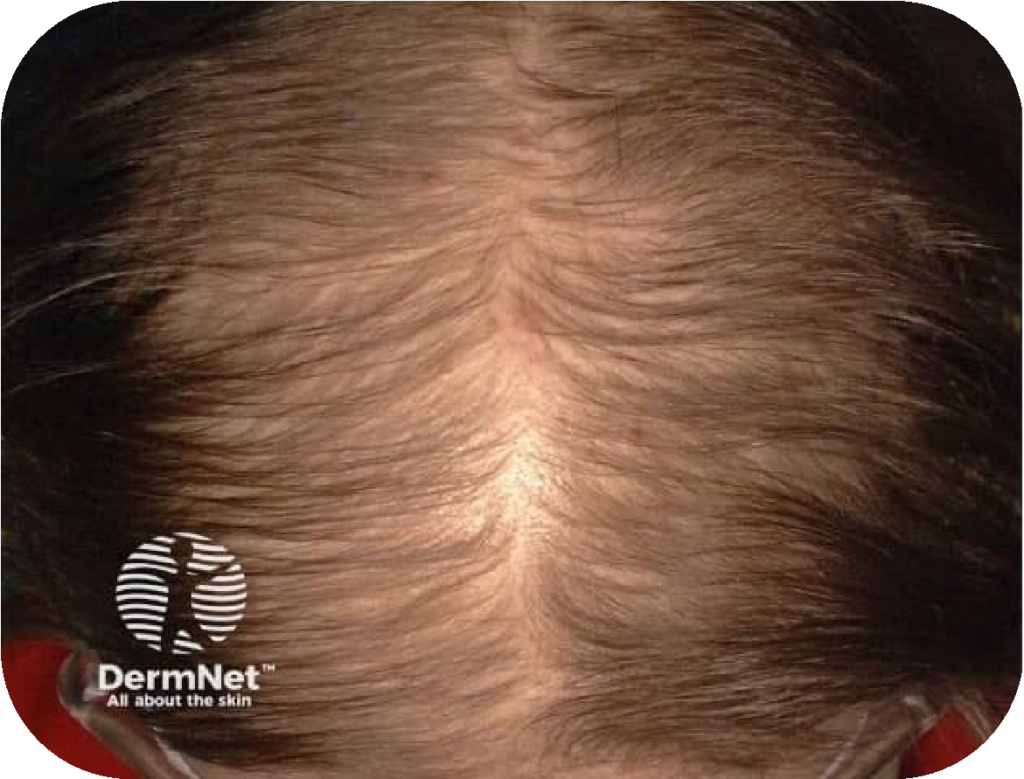
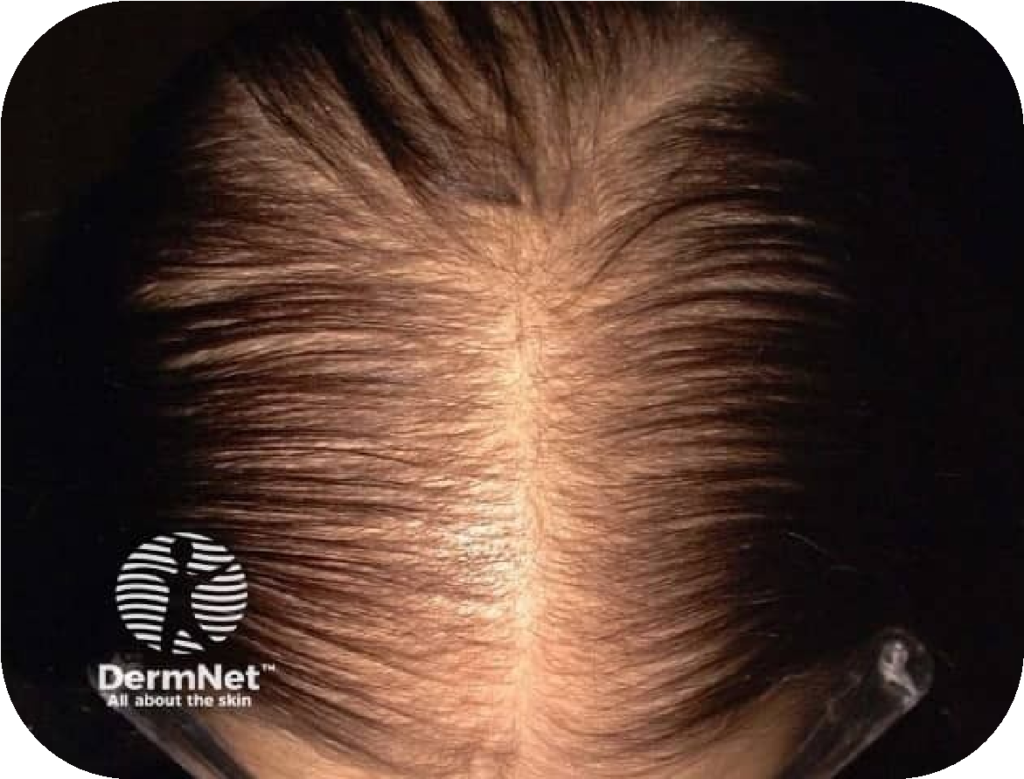
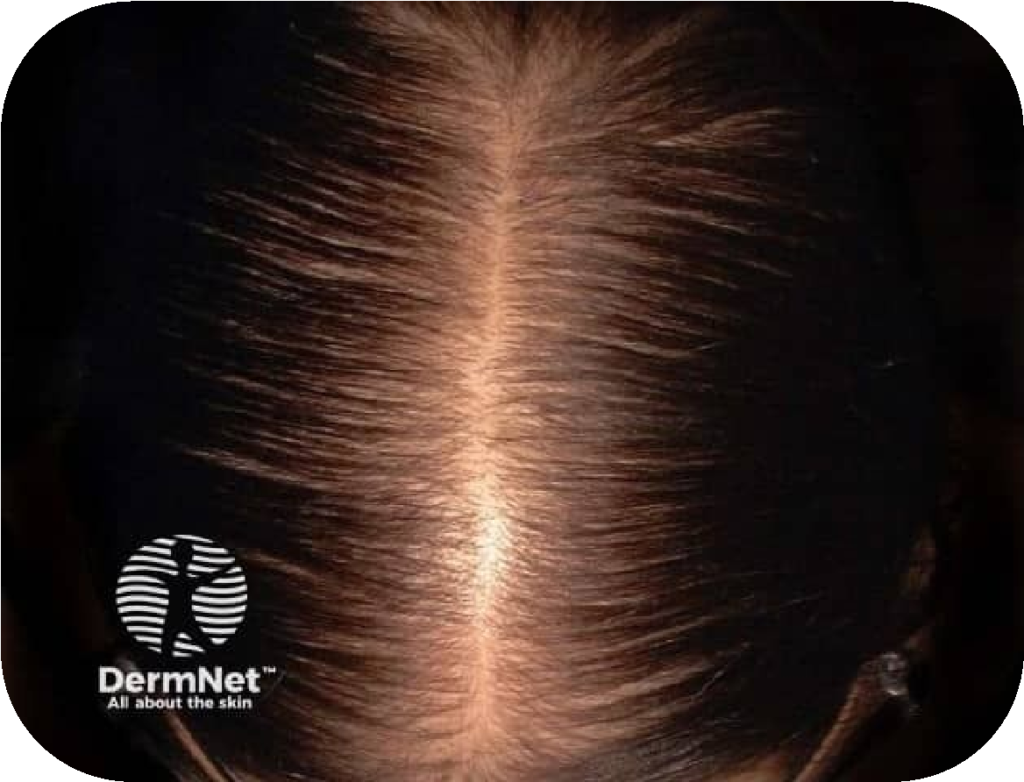
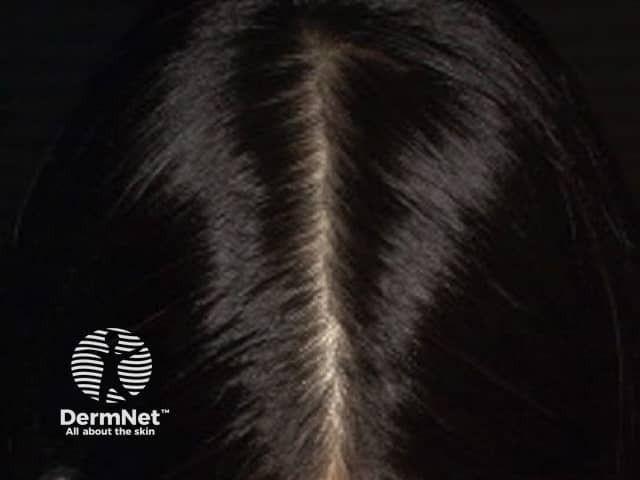
An 8-Level Vertex and 2-Level Frontal Recession Scale — A Simplified, Clinically Practical Savin Modification for Female Pattern Hair Loss
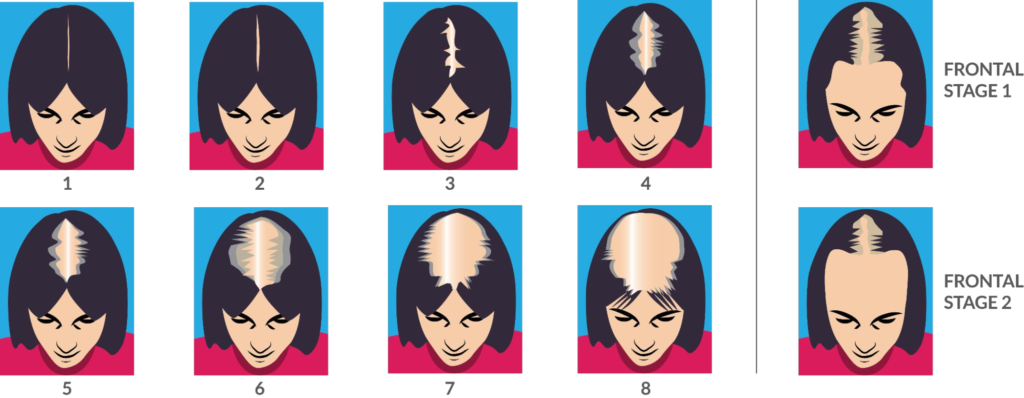
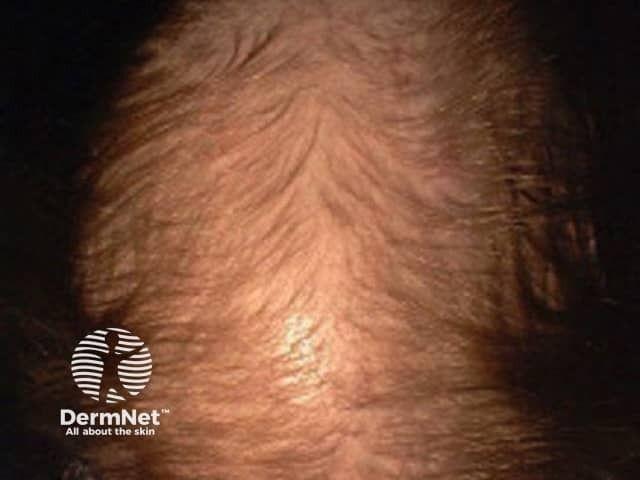
Female Pattern Hair Loss (FPHL) typically presents as gradual crown thinning, widening of the central part, and reduced overall hair density, while the frontal hairline is usually preserved. Severity is commonly assessed using the Ludwig scale for diffuse crown thinning, the Sinclair scale for quick grading of central thinning, the Savin scale for more detailed or research-based classification, and the Olsen pattern to describe the characteristic “Christmas tree” frontal distribution.

Skin Lipid layer under different PH Conditions
Here is what is happening in FPHL

FPHL is a non-scarring alopecia, meaning the follicles are not permanently destroyed. This is important — because it means regrowth is possible if the process is halted early.

What the Skin Barrier Is Made Of
  1. Follicle Miniaturization (Core Process)
    The primary abnormality is progressive miniaturization of genetically sensitive follicles influenced by DHT. Thick terminal hairs gradually become thinner, shorter, and lighter, eventually resembling vellus hairs, leading to visible reduction in hair density.
  2. Altered Hair Cycling
    The anagen (growth) phase shortens while more follicles shift toward telogen (resting), resulting in fewer actively growing hairs and increased scalp visibility.
  3. Structural Follicular Changes
    Follicles shrink in diameter and depth, the dermal papilla becomes smaller, and hair shafts thin. Follicles may become dormant but typically remain intact, distinguishing FPHL from scarring alopecias.
  4. Increased Shedding
    Miniaturized hairs break and shed more easily and are replaced by thinner strands. Patients notice increased shedding, but the underlying issue is diminished quality and thickness of regrowth
The Hormonal Influence in FPHL

Unlike male pattern baldness, where androgens are clearly central, the hormonal influence in Female Pattern Hair Loss (FPHL) is more complex and nuanced.

Androgens (Testosterone & DHT)

Within the hair follicle, DHEAS converts to DHEA, then androstenedione, then testosterone. Testosterone is further converted to dihydrotestosterone (DHT) by the enzyme 5α-reductase. DHT binds to androgen receptors in genetically sensitive follicles, triggering miniaturization.

However, many women with FPHL have normal blood androgen levels. Some may have elevated androgens, such as in PCOS, but others may simply have increased local 5α-reductase activity in scalp follicles or heightened follicular sensitivity to DHT.

Role of SHBG

Sex Hormone–Binding Globulin (SHBG) regulates how much active testosterone and DHT circulate in the bloodstream. Higher SHBG levels reduce free (active) androgens, while lower SHBG increases androgen bioavailability. SHBG tends to rise with estrogen and decrease with insulin resistance, thyroid abnormalities, and higher androgen levels.

Estrogen

Estrogen plays a complex role in hair biology. It may help prolong the anagen (growth) phase and support follicle health. The decline in estrogen after menopause correlates with increased FPHL. Estrogen also influences local growth factors and inflammatory signaling, and the balance between estrogen and androgens likely affects follicle behavior.

Progesterone

Progesterone may act as a mild natural 5α-reductase inhibitor, potentially reducing local DHT production. Hormonal fluctuations during perimenopause and menopause may therefore influence hair cycling.

Other Hormones

Thyroid disorders can cause diffuse shedding but do not typically produce classic FPHL patterns. Insulin resistance may lower SHBG and increase active androgen levels. Cortisol and stress hormones can disrupt hair cycling indirectly, and prolactin has been associated with hair loss in limited but emerging research.

Overall, FPHL reflects a complex interaction between local follicular sensitivity, hormone balance, and systemic metabolic influences rather than simple androgen excess

Female Pattern Hair Loss vs. Male Pattern Baldness

Androgenetic Alopecia affects both men and women but presents differently. Male Pattern Baldness typically causes frontal recession and vertex loss and is strongly linked to androgens. Female Pattern Hair Loss (FPHL) usually appears as central scalp thinning with preservation of the frontal hairline and has a less direct androgen link, though hormones still play a role.

Why Early Diagnosis Matters

Because FPHL is non-scarring, the hair follicles are not permanently destroyed. Early treatment can slow follicle miniaturization, extend the anagen (growth) phase, improve hair density, and potentially reverse early thinning. Delaying treatment allows continued follicular shrinkage, making regrowth more difficult over time.

When to Seek Evaluation

You should seek professional evaluation if you notice widening of your part, reduced ponytail thickness, gradual crown thinning, persistent shedding for more than six months, or increased thinning after menopause. A proper assessment typically includes a clinical scalp examination, trichoscopy, and, when appropriate, hormonal, thyroid, and metabolic screening.

The Bottom Line

Female Pattern Hair Loss is a progressive but treatable, hormonally influenced condition. It is not simply “aging.” It results from follicle miniaturization and altered hair cycling, and early medical intervention offers the best chance for preserving and restoring hair density.

FPHL is hormonally influenced but multifactorial.

Androgens play a role, especially in women with hyperandrogenism, but many affected women have normal hormone levels.

→ Estrogens and progesterone modulate hair follicle cycling, with declining estrogen after menopause linked to increased FPHL risk.

The local scalp hormonal microenvironment and follicle sensitivity are key determinants.

Understanding this complex hormonal interplay is vital for personalized treatment approaches.

If you are noticing thinning, widening of your part, or increased shedding, early evaluation can make a meaningful difference. At Aesthetics and Medical Lasers of Colorado – Dermatology, we provide comprehensive scalp assessments and personalized treatment plans to help slow progression and restore hair density.

📍 Longmont Office
1350 Tulip Street, Suite 2
Longmont, CO 80501

📍 Fort Collins Office
2801 Remington Street, Suite 2
Fort Collins, CO 80525

📞 Call us today: 720-818-0533 Schedule your consultation and take the first step toward healthier, fuller-looking hair.

Popular Blog

  • What are syringomas?
  • Does sweat harm your skin
  • PH and Lipid Barrier
  • Glomus Tumor
  • Alopecia Areata
  • Female Pattern Hair Loss
  • Locations

    700 Tenacity Drive #102 Longmont, Colorado, 80504

    2801 Remington Street Suite 2, Fort. Collins, Colorado, 80525

    Contact

    720-818-0533