
Atopic Dermatitis and Related Conditions (Eczema)

What Is Eczema?

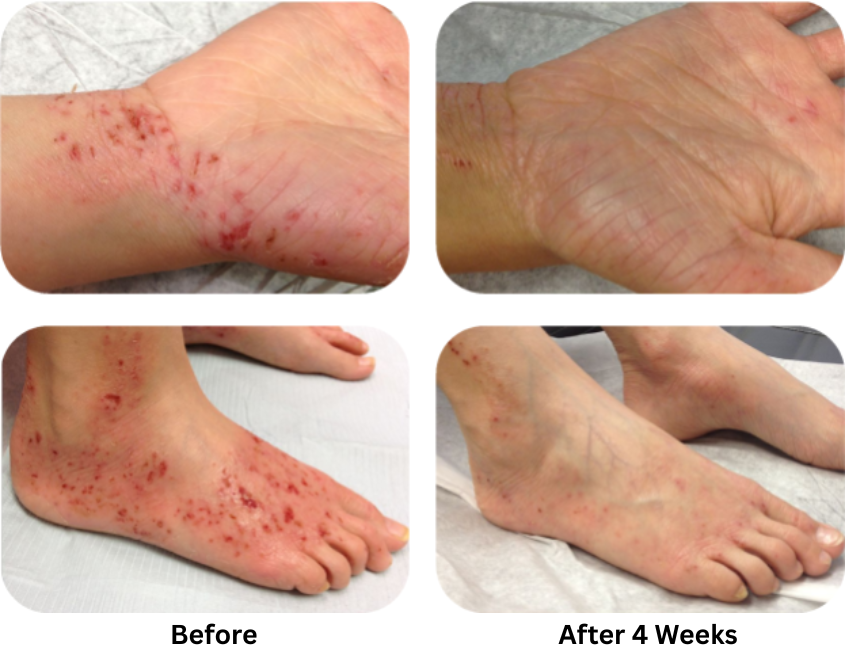
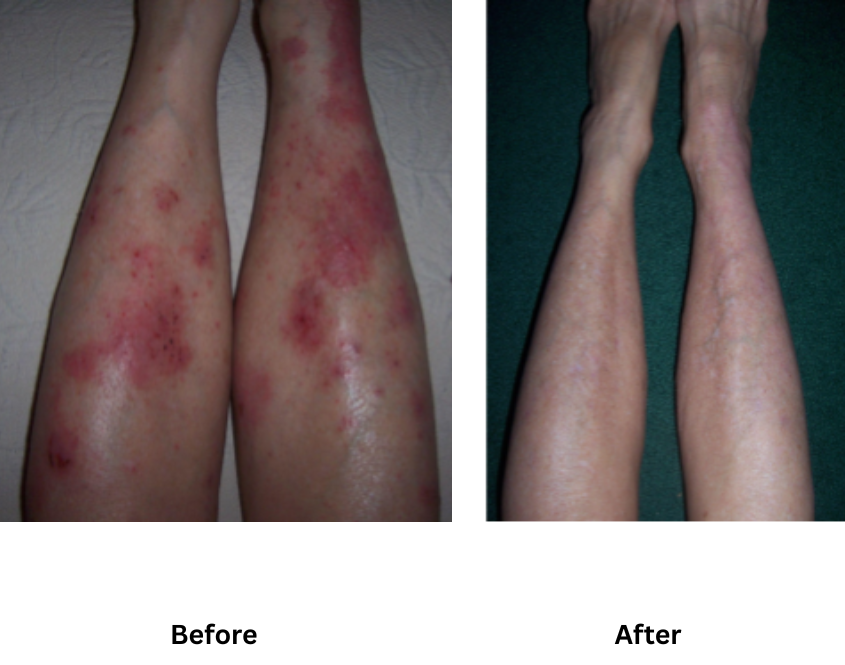
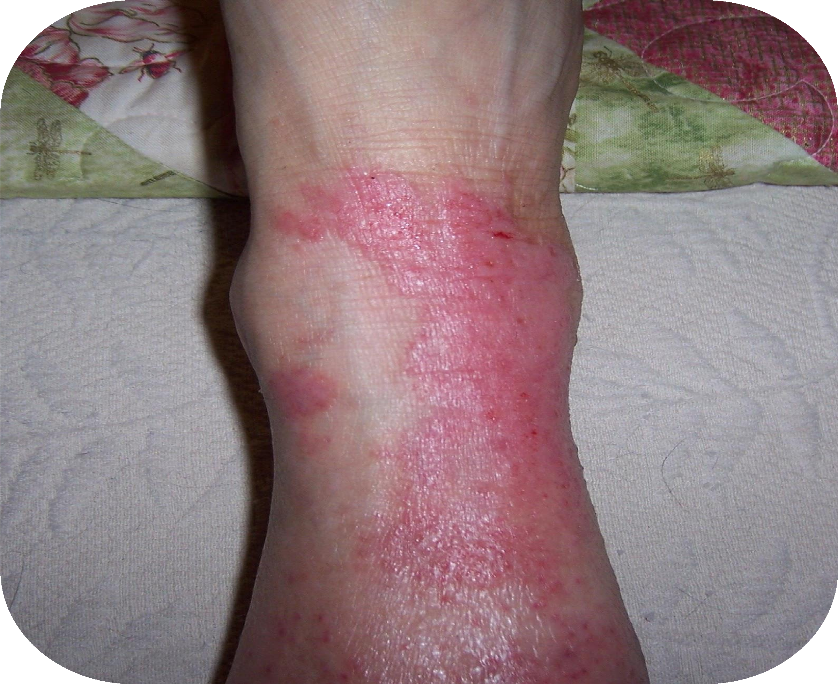
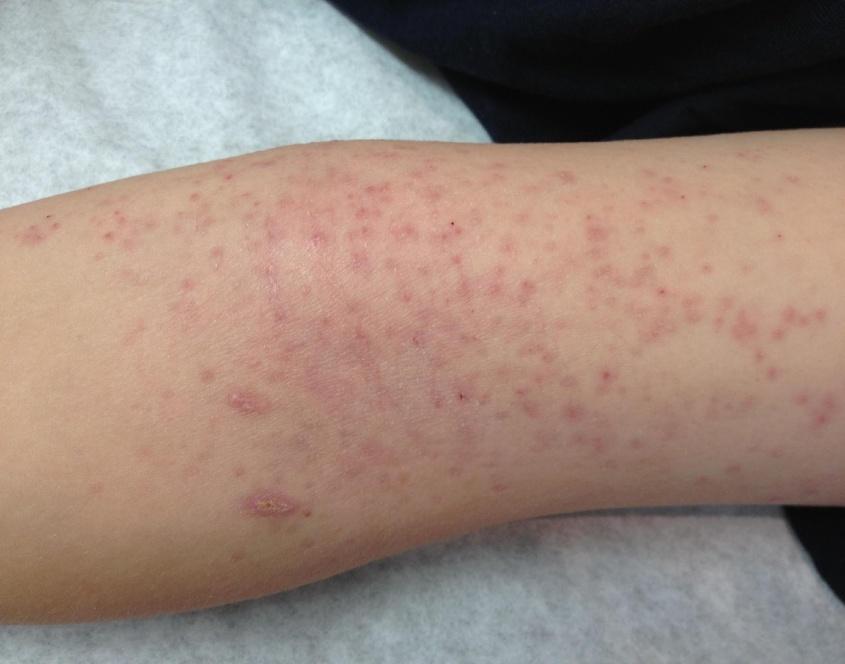
Eczema is a common skin condition that causes dry, itchy, red, and irritated skin. It affects over 31 million people in the U.S. and is one of the most frequent conditions seen in dermatology. Eczema can start at any age—from infancy to adulthood—and may range from mild to more persistent or severe. It often appears on the face, hands, arms, elbows, and behind the knees, with symptoms that come and go over time.

In children, eczema usually shows up as very dry, itchy skin that can become irritated or infected from scratching. In adults, it may develop later in life—sometimes in the 20s or even after age 50—and often follows a pattern of flare-ups and periods of improvement.

What Causes Eczema?

Eczema occurs when the skin barrier is weakened and the immune system becomes overactive. This allows moisture to escape while irritants, allergens, and bacteria enter the skin, leading to inflammation. In simple terms, eczema involves a weak skin barrier, increased dryness, sensitive skin, and ongoing inflammation. Genetics can play a role—children have a higher risk if parents have eczema, asthma, or hay fever—but environment, skincare habits, and triggers are also important.

How Eczema Develops

Eczema follows a repeating cycle: the skin barrier becomes weak, moisture is lost, and irritants enter the skin. The immune system then overreacts, causing redness, itching, and irritation. Scratching makes the skin barrier worse, continuing the cycle. Breaking this cycle is key to controlling eczema long term.

Types of Eczema

Types of Eczema

There are several forms of eczema, each with distinct triggers and patterns:

  • Atopic dermatitis – the most common type, often linked to allergies and asthma
  • Contact dermatitis – triggered by irritants or allergens
  • Dyshidrotic eczema – small, itchy blisters on the hands and feet
  • Nummular eczema – coin-shaped patches of irritated skin
  • Seborrheic dermatitis – affects oily areas such as the scalp and face
  • Stasis dermatitis – related to poor circulation, typically on the lower legs


Common Eczema Triggers

Eczema flares can be triggered by dry or cold weather, heat and sweating,
harsh soaps or fragrances, and certain fabrics like wool. Allergens such as
dust, pollen, and pet dander, along with stress, poor sleep, skin irritation,
hormonal changes, and food sensitivities (especially in children), can also
contribute. Identifying and avoiding your triggers is key to managing eczema.

Treatment Options for Eczema?

Eczema treatment focuses on repairing the skin barrier, reducing
inflammation, and preventing flare-ups, with plans tailored to individual
needs. Options may include prescription creams, non-steroidal treatments,
moisturizers, advanced therapies for severe cases, light therapy, and simple
skincare with trigger management. The goal is long-term control—not just
temporary relief.

Eczema Treatment Summary (CLMD Protocol)

Mild Eczema (1–3 weeks)

  • Phase 1 (Active Flare):
    • 1% hydrocortisone cream: 2–3x/day
    • Relieve & Protect ointment: 2–4x/day
  • Phase 2 (Maintenance):
    • Ceramide+ cream: 2x/day
    • Relieve & Protect ointment: 2x/day
  • Repeat Phase 1 if flare returns, then taper back to maintenance


Moderate to Severe Eczema (12+ weeks)

  • Phase 1 (Active Flare):
    • TrueCider serum: 2x/day or vinegar baths
    • Steroid cream + Relieve & Protect ointment: 2x/day
    • Ceramide+ cream + ointment: 2x/day
  • Phase 2 (Maintenance):
    • TrueCider serum: 2x/day or vinegar baths
    • Ceramide+ cream: 2–4x/day
    • Relieve & Protect ointment: 2–4x/day
  • Reapply steroid during flares, then taper to maintenance

Eczema

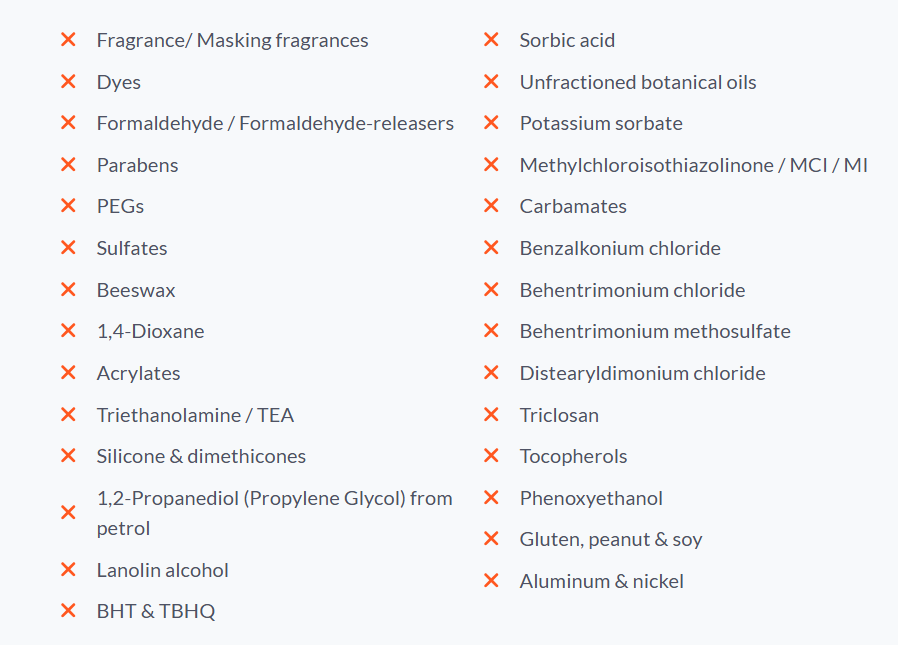
Are your everyday skincare products triggering eczema or causing skin irritation?

Everyday skincare products can sometimes trigger eczema or irritation—even those labeled “gentle” or “for sensitive skin.” Common culprits include fragrances, preservatives, and harsh cleansers, which can lead to itching, redness, and rashes. Identifying and avoiding these ingredients is an important step in protecting the skin barrier and managing eczema

What Soaps Are Safe for Eczema?

If you have eczema, use gentle, pH-balanced cleansers to avoid drying and irritation. Traditional soaps can be too harsh and damage the skin barrier. Keep showers short, use lukewarm water, and only apply cleanser to areas like the underarms, groin, feet, or visibly dirty skin.

Avoid harsh ingredients like SLS, ALS, and other strong cleansers, as well as CAPB and cocamide DEA. Even some “mild” cleansers can still be drying for sensitive skin. Instead, choose gentle options that help protect the skin barrier. Moisturize right after bathing to lock in hydration—this is key to controlling eczema. Mild products like Dove Beauty Bar may be better tolerated, but very sensitive skin may need even gentler cleansers.

Severe Atopic Dermatitis

Beauty That Speaks Visually

At Aesthetics & Medical Lasers of Colorado – Dermatology, we focus on restoring barrier function, reducing inflammation, and developing personalized treatment plans that provide long-term control — not just temporary relief. You should see a doctor if your eczema does not improve with over-the-counter treatments, is severe or painful, or disrupts your sleep. Seek care if it continues to flare despite good skincare, affects sensitive areas such as the face, hands, eyelids, or genitals, or becomes cracked, oozing, or infected. Struggling with eczema, we are here to help.

Schedule Your Dermatology Consultation

Take the next step toward healthier skin.
Aesthetics & Medical Lasers of Colorado – Clinical Dermatology

Locations

700 Tenacity Drive #102 Longmont, Colorado, 80504

2801 Remington Street Suite 2, Fort. Collins, Colorado, 80525

Contact

720-818-0533

Office Hours

Monday-Friday 8:00 AM to 6:00 PM Saturday 10 AM to 2 PM Sunday: By Appoinment only

Aesthetics & Medical Lasers Dermatology

Get a Dermatology consultation and customized skin care solutions

Work Hours