Restore healthier, smoother, and more youthful-looking skin with advanced aesthetic dermatology treatments designed to stimulate collagen, improve elasticity, and reduce visible signs of aging. Over time, the skin naturally loses collagen, elastin, and structural support, leading to wrinkles, fine lines, uneven pigmentation, and skin laxity. Modern aesthetic dermatology offers effective non-surgical treatments that rebuild collagen and elastin, improve skin texture and
tone, and restore a refreshed, youthful appearance.
Skin Tightening & Anti-Aging Treatments
Skin Tightening & Anti-Aging Treatments
At Aesthetics and Medical Lasers of Colorado – Dermatology, we offer a comprehensive range of advanced skin rejuvenation treatments tailored to each patient’s skin type and aesthetic goals. Our technologies include fractional ablative CO₂ laser resurfacing, IPL photorejuvenation, radiofrequency microneedling, EMFACE, and Exilis Ultra skin tightening, which stimulate collagen remodeling and improve skin firmness, texture, and overall quality. These treatments effectively address sun damage, fine lines, skin laxity, enlarged pores, and uneven skin tone.
We also incorporate advanced regenerative therapies to support skin repair and rejuvenation. Treatments such as exosomes, PDRN (salmon DNA), platelet-rich plasma (PRP), and growth factors help stimulate collagen production, enhance tissue repair, and improve overall skin regeneration. These therapies are often combined with laser or microneedling treatments to enhance results and support faster healing.
Injectable treatments also play an important role in anti-aging care. Botox® and other neuromodulators relax facial muscles that cause dynamic wrinkles such as forehead lines, frown lines, and crow’s feet. Dermal fillers restore lost facial volume, soften deeper folds, and enhance natural facial contours. When combined with energy-based treatments, injectables help improve both skin quality and youthful facial structure.
An effective anti-aging strategy also includes medical-grade skincare. Ingredients such as vitamin C, niacinamide, retinol, glutathione, arbutin, and ceramides help protect against oxidative damage, improve pigmentation, support collagen production, and strengthen the skin barrier. When used consistently with professional treatments, these ingredients help maintain healthier, more resilient, and youthful-looking skin.
Cosmetic Dermatology
Cosmetic dermatology focuses on improving the skin’s appearance using safe, non-surgical treatments. Dermatologists lead the field in developing advanced procedures, and many patients choose them first for skin and aesthetic concerns. The specialty continues to evolve with ongoing innovation and research.
Dermal Fillers (Soft Tissue Augmentation) are a popular, non-surgical way to restore volume, smooth lines, and enhance areas like the cheeks, lips, and smile lines—with little to no downtime.
Most fillers are temporary, so treatments are repeated to maintain results. This also means changes are not permanent, which many patients find reassuring.
There are many FDA-approved options, allowing treatments to be customized to your goals. Older collagen fillers are no longer used, as newer, more advanced products are available.
Soft Tissue Augmentation (Dermal Fillers)
Hyaluronic Acid Fillers
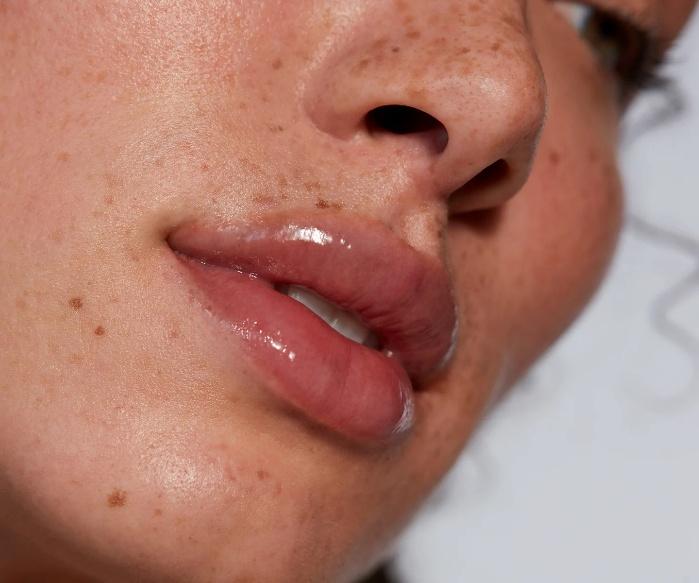
Hyaluronic acid (HA) is a natural substance in the body that helps keep skin full and hydrated. HA fillers are available in two types: streptococcal-derived and animal-derived (such as from rooster combs), though streptococcal-derived fillers are now most commonly used due to better longevity and consistency. Because HA is identical across species, allergic reactions are very rare and skin testing is not required.
HA fillers attract water to restore volume and smooth the skin. After treatment, mild swelling, redness, or bruising may occur for a few days. Results are immediate and typically last 6–12 months.
There are many FDA-approved HA fillers, including lidocaine-containing options such as Juvéderm XC and Restylane-L, as well as Belotero Balance and RHA Collection.
Fillers vary in thickness and are chosen based on the treatment area. Softer fillers like Volbella, Restylane Silk, Belotero, and RHA Redensity are used for lips and fine lines, while medium fillers such as Vollure, Refyne/Defyne, and RHA 2/3 treat smile lines and moderate wrinkles. Thicker fillers like Voluma and Restylane Lyft restore cheek and midface volume, and firmer fillers like Volux are used for jawline and chin definition. In general, thinner fillers treat superficial lines, while thicker fillers provide deeper support and contour.
HA fillers can cause mild swelling and bruising, so it’s best to plan treatments around social events. Rare but serious complications, such as vascular occlusion, can occur, which is why treatment should be performed by an experienced provider. A key advantage is that HA fillers are reversible—an enzyme called hyaluronidase can dissolve them if needed. If placed too superficially, they can cause a bluish tint (Tyndall effect), which can also be corrected.
Poly-L-Lactic Acid (PLLA) Fillers
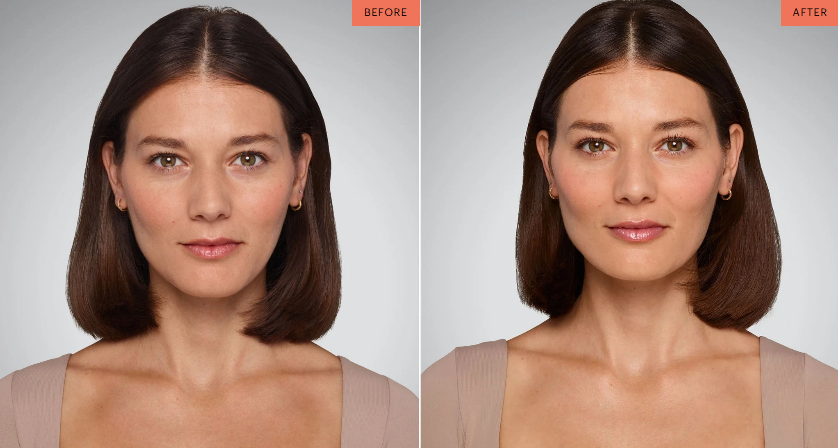
Poly-L-lactic acid (PLLA), known as Sculptra by Galderma, is an injectable treatment used to restore diffuse volume loss and improve overall facial contour, rather than filling a single line or area.

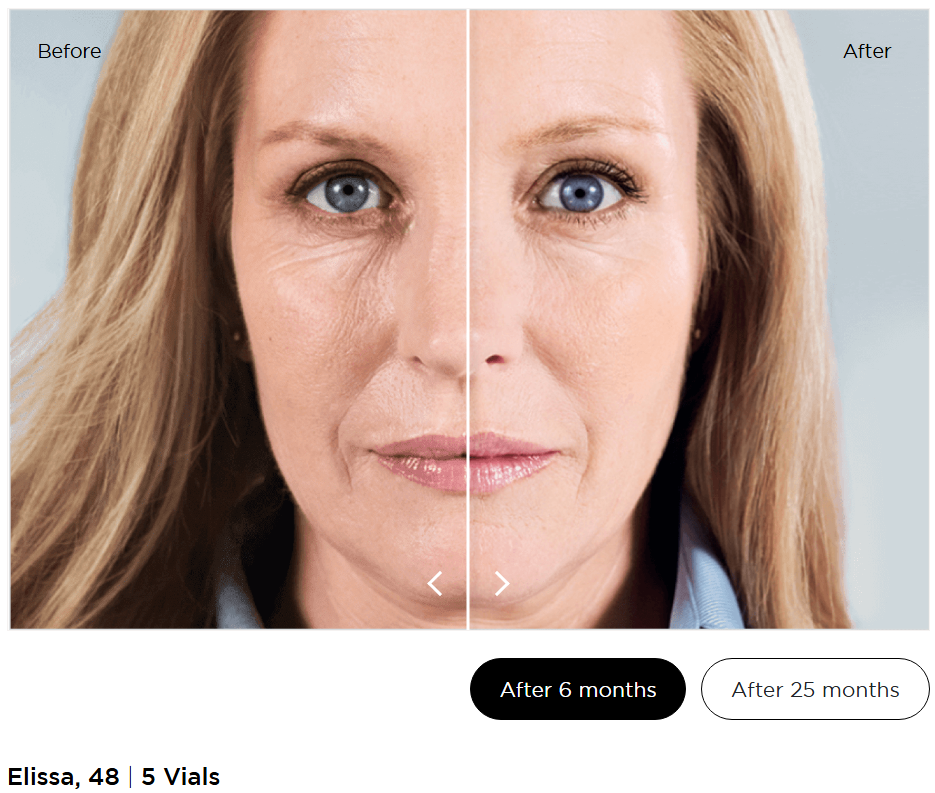
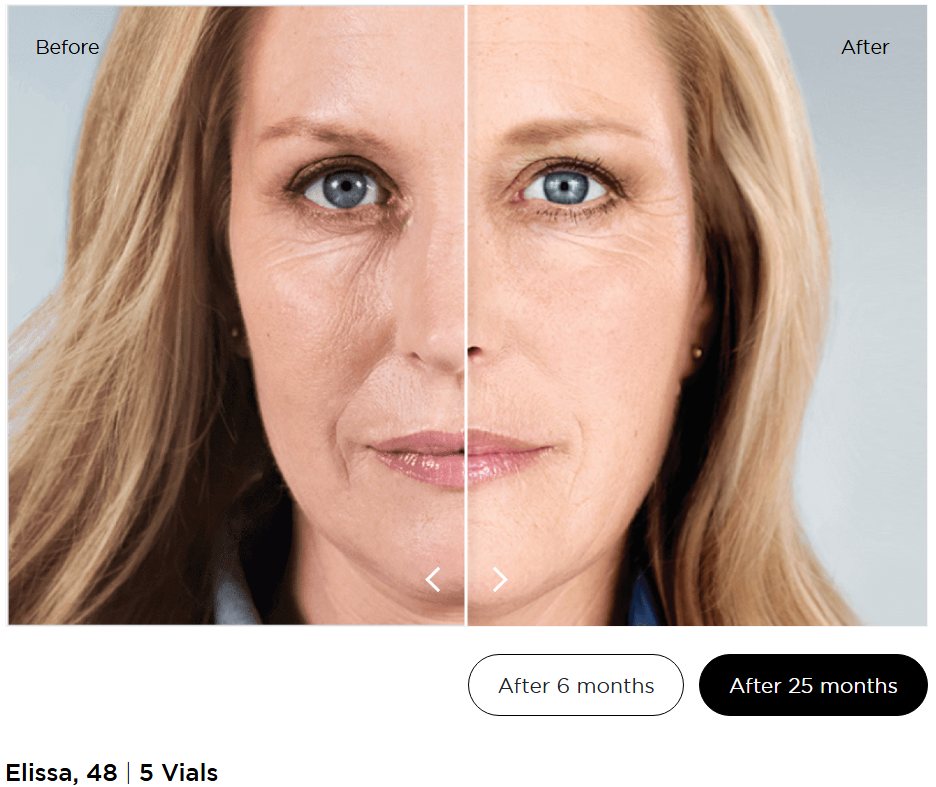
PLLA (poly-L-lactic acid) is a safe, biodegradable product that has been used in medicine for many years, including in dissolvable stitches. It does not require allergy testing.
Unlike traditional fillers, PLLA doesn’t add instant volume. Instead, it works by stimulating your body’s natural collagen, gradually improving skin thickness, firmness, and fullness over time. Because of this, results appear slowly, and most patients need a series of treatments spaced about 4–6 weeks apart.
PLLA is FDA-approved to treat facial volume loss, lines, and contour concerns. Results can last up to 2 years.
The product is injected into deeper layers of the skin to evenly stimulate collagen. After treatment, you’ll be asked to gently massage the area for a few days to help ensure smooth results.
Common side effects include mild redness, swelling, and bruising. Rarely, small lumps can form under the skin, which can be treated if needed.
Calcium Hydroxylapatite (CaHA) Fillers
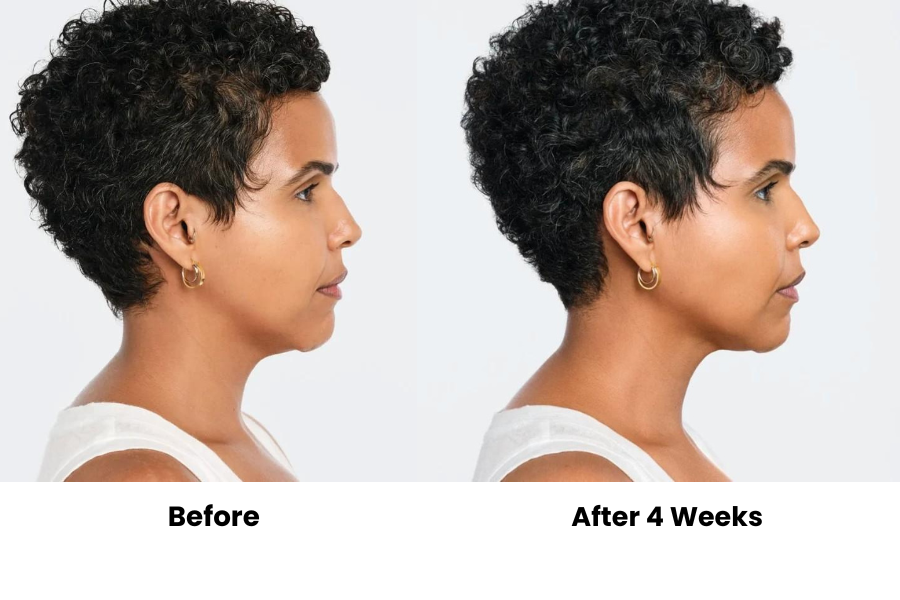
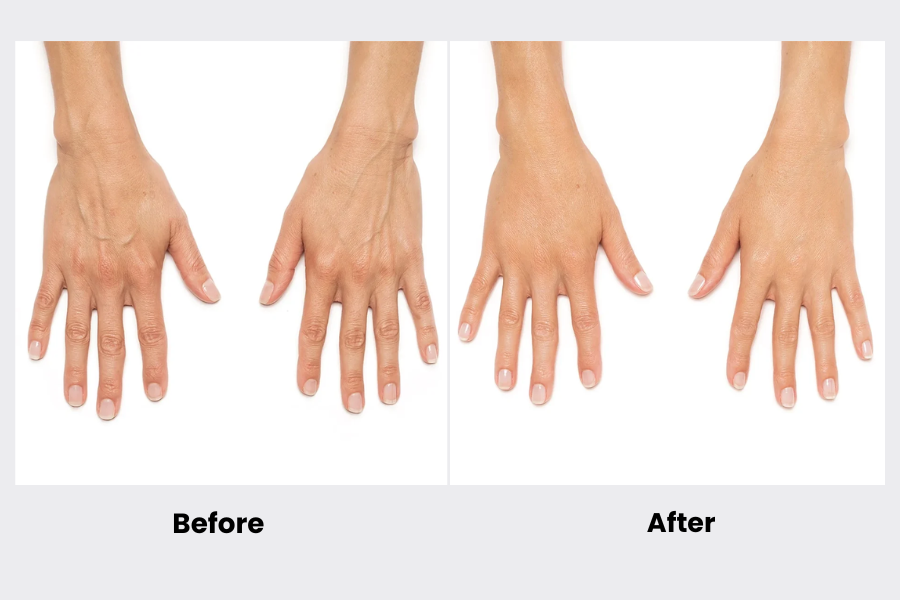
Calcium hydroxylapatite (CaHA), also known as Radiesse, is a dermal filler used to restore volume and smooth deeper wrinkles like smile lines, as well as improve volume loss in the hands.
It contains tiny calcium-based particles that provide immediate lift while also stimulating your body’s natural collagen, elastin, and other key proteins. This helps improve skin firmness, elasticity, and overall quality over time. Results typically last about 9–12 months.
Radiesse is injected into deeper layers of the skin during a quick, in-office procedure. Numbing is often used to keep you comfortable.
It is not recommended for the lips due to a higher risk of lumps. Common side effects include mild swelling, redness, or bruising. Rarely, small nodules can form. Because it contains calcium, it may show up on X-rays, which is normal and harmless.
Botulinum Toxin for Wrinkles (Botox®, Dysport®, Xeomin®, Jeuveau®, Daxxify®)
is a popular, non-surgical treatment that relaxes facial muscles to smooth dynamic wrinkles—especially in the forehead, frown lines, and crow’s feet.
It works by temporarily blocking nerve signals to the muscles, allowing the skin to appear smoother. Results begin in 2–5 days, peak in about 2 weeks, and typically last 3–4 months.
All FDA-approved options work similarly, with slight differences in spread, formulation, and duration. Proper dosing and technique are key for natural results.
Treatment is quick and minimally invasive. Your provider will assess your facial movement to ensure precise placement and a natural look.
Glabellar Frown Lines (“11 Lines”)
Glabellar Lines (“11 Lines”) are the vertical lines between the eyebrows caused by frowning. Botulinum toxin relaxes these muscles to smooth the lines and can provide a subtle brow lift.
Treatment is quick, using about 5 small injections and typically 20–35 units (more for stronger muscles). Results begin in a few days and improve over 1–2 weeks.
To reduce the rare risk of eyelid drooping, injections are placed carefully, and patients should remain upright for a few hours after treatment.
Silicone Fillers
Silicone Fillers are not FDA-approved for cosmetic use due to safety concerns. A medical-grade product (Silikon 1000) is approved for eye conditions but is sometimes used off-label in very small amounts for facial volume or scars.
Because silicone is permanent, it carries a higher risk of long-term complications like lumps (granulomas) and migration. The FDA has warned against its use for large areas like the buttocks or breasts.
While careful technique may reduce risk, safer temporary fillers are usually preferred.
PMMA Fillers (Permanent Filler)
PMMA (Bellafill®) is a long-lasting filler used for volume and acne scars. It contains tiny microspheres in collagen—giving immediate results and long-term support as your body builds its own tissue.
Because it contains bovine collagen, skin testing is required before treatment. Proper technique is important, as incorrect placement can cause lumps or scarring. Rarely, delayed nodules can occur but are treatable.
Autologous Fat Transfer
Autologous Fat Transfer uses your own fat to restore volume, so there’s no risk of allergy or rejection. Fat is taken from areas like the abdomen or thighs, processed, and injected into areas such as the cheeks, smile lines, or deeper scars.
Results look natural, but not all of the fat survives, so some volume may be lost over time and multiple treatments may be needed. Swelling and bruising are common, and a donor area is required. This treatment is best for deeper volume loss, not fine lines.
Horizontal Forehead Lines
Horizontal Forehead Lines are caused by the frontalis muscle, which lifts the brows. Botulinum toxin helps smooth these lines, but careful treatment is needed to avoid brow heaviness or drooping—especially in men or older patients.
Treatment typically uses 10–25 units, placed in the upper forehead with small, superficial injections to maintain a natural brow lift.
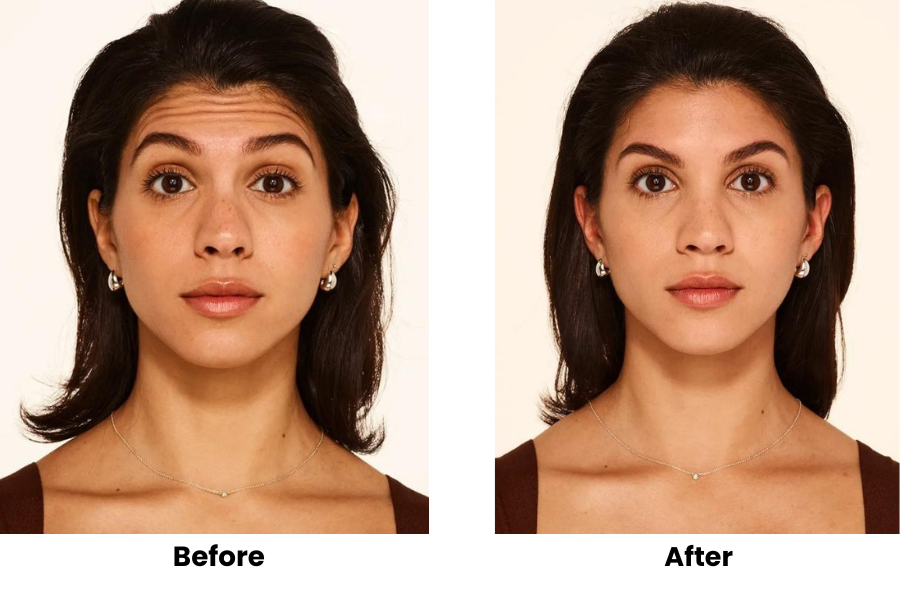
Quizzical Brow (“Spock Brow”) is a common Botox® side effect where the outer eyebrow lifts too high, creating an overly arched look. It happens when the center forehead is treated more than the sides, leaving the outer muscle active.
It usually appears 1–2 weeks after treatment. The fix is simple—a small touch-up with 1–2 units in the outer forehead to restore a natural brow shape.
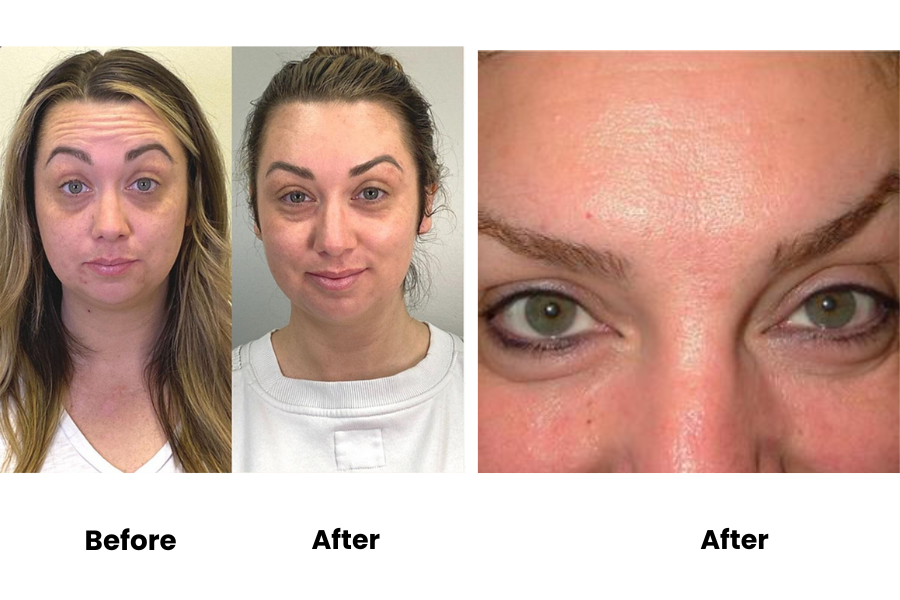
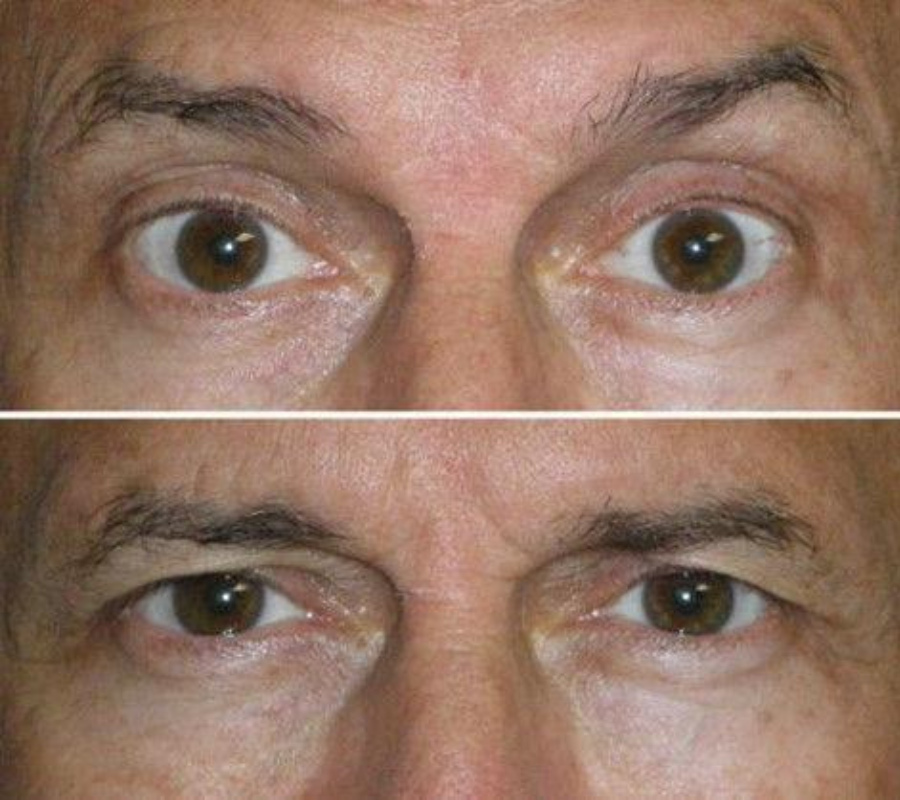
“Spooky Eye” – What It Is and Why It Happens
A “spooky eye” is a term for a heavy, droopy brow or upper eyelid after Botox®. It happens when too much of the forehead muscle (frontalis) is relaxed, making the eyes look tired or hooded. It’s different from true eyelid ptosis but can look similar. The good news: it’s temporary and can often be adjusted with small touch-ups.
It’s more common in older patients, since the brow naturally sits lower and many rely on the forehead to lift the eyes. That’s why providers use lower doses and careful placement to avoid this effect.
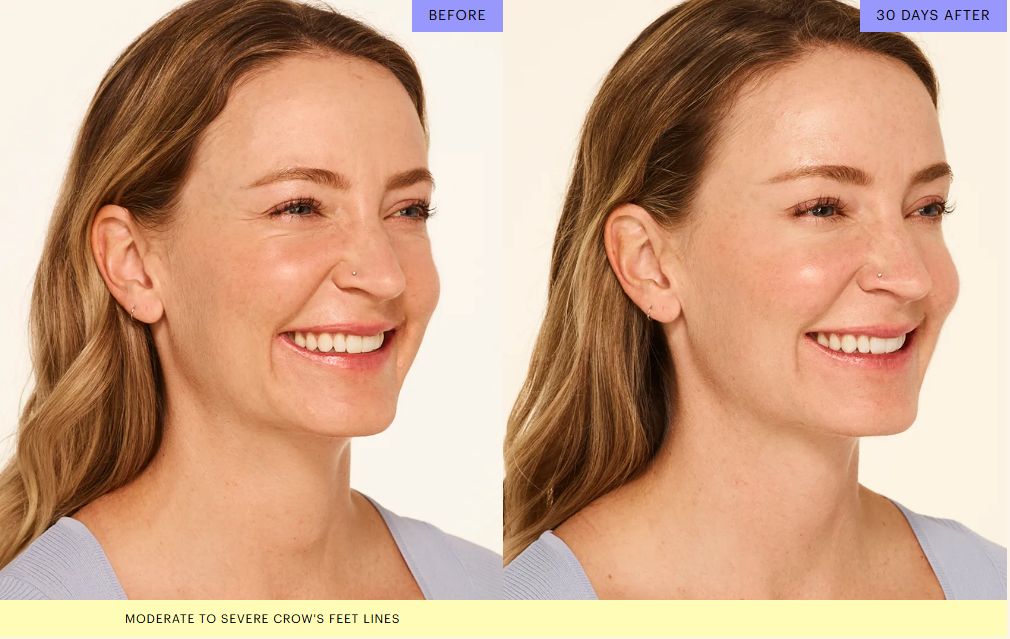
Crow’s Feet (Smile Lines Around the Eyes)
Crow’s Feet Treatment targets the fine lines at the outer corners of the eyes caused by smiling and squinting. Botulinum toxin relaxes the surrounding muscle to soften these lines, though some may still appear with natural expressions.
Treatment involves a few small injections around the outer eye, usually 8–12 units per side. Mild bruising is common due to the delicate skin. Careful technique is used to avoid over-treatment, which can rarely cause a temporary uneven smile.
Advanced Botox® Treatments – Lower Face & Specialized Areas
Botulinum toxin can be used off-label to treat several areas beyond the upper face. These advanced treatments require precise technique to maintain natural movement and avoid complications.
Bunny Lines (Nasal Side Lines)
“Bunny lines” are the small diagonal wrinkles on the sides of the nose that appear when you smile or scrunch your face. A small amount of Botox® can relax these muscles, softening the lines while keeping a natural expression.
Lip Flip
A lip flip uses small amounts of Botox® to relax the muscle around the upper lip. This allows the lip to gently roll outward, creating the appearance of a fuller upper lip without adding volume like filler.
DAO (Downturned Mouth / Frown Lines)
The depressor anguli oris (DAO) muscle pulls the corners of the mouth downward, creating a sad or tired appearance. Botox® can relax this muscle, allowing the corners of the mouth to lift slightly for a more neutral or pleasant expression.
Gummy Smile
A gummy smile occurs when too much of the upper gum shows when smiling. Botox® can relax the muscles that elevate the upper lip, helping reduce gum show and create a more balanced smile.
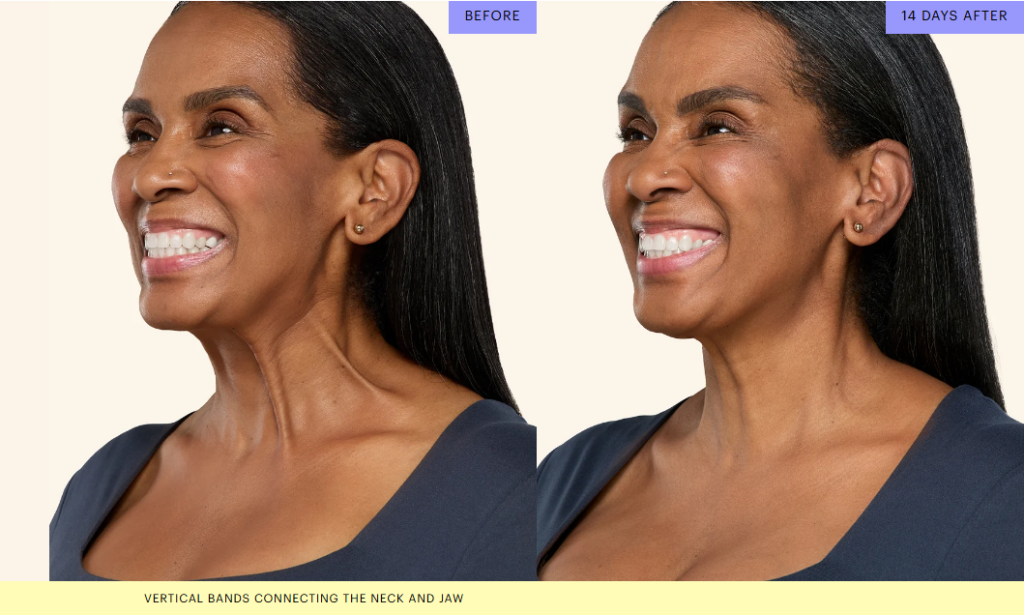
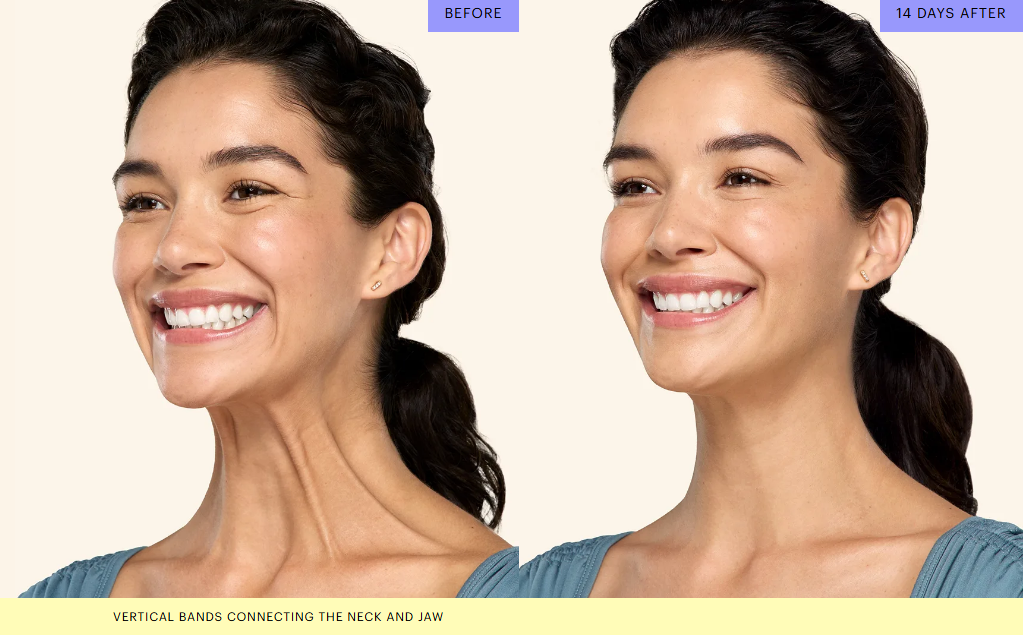
Vertical Neck Bands (Platyssmal Bands)
Liposuction (Fat Removal)
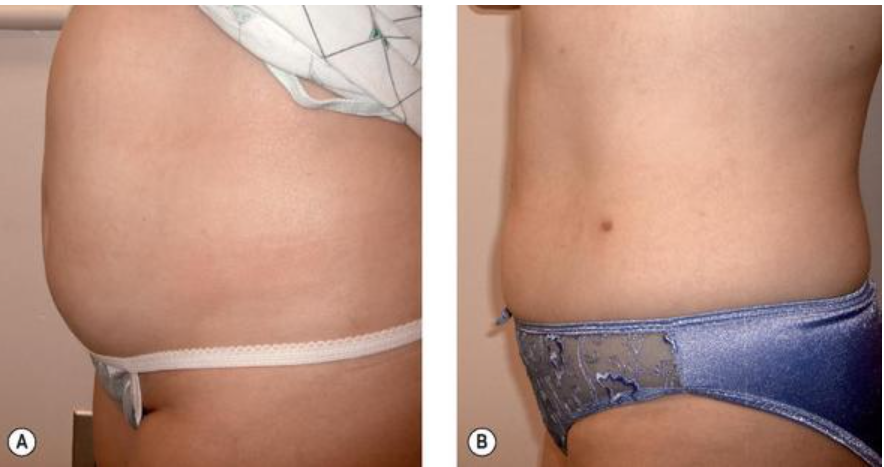
Liposuction is a procedure used to remove stubborn fat and improve body contour, not for weight loss. Common treatment areas include the abdomen, thighs, neck, jawline, knees, ankles, and chest, and it can also help conditions like gynecomastia or localized fat deposits.
Most dermatologic liposuction is performed using tumescent anesthesia, where a diluted numbing solution is placed into the area before gently removing fat with a small cannula. This allows the procedure to be done comfortably under local anesthesia, with less bleeding and faster recovery.
Liposuction performed with tumescent anesthesia in an office setting is very safe, with a low complication rate. Serious complications are rare and are typically associated with procedures done under general anesthesia, not local techniques.
Cryolipolysis (CoolSculpting® Fat Freezing)
Cryolipolysis, commonly known as CoolSculpting, is a non-surgical fat reduction treatment that uses controlled cooling to target and reduce stubborn fat. Fat cells are more sensitive to cold than surrounding tissues, so they are selectively damaged, then naturally eliminated by the body over about 3 months, leading to a gradual and permanent fat reduction.
The procedure is performed in the office with no anesthesia or downtime. A device gently suctions the treatment area and cools it for a set time. Patients can return to normal activities right away, though multiple sessions may be needed for optimal results.
Common side effects include temporary redness, swelling, bruising, or numbness, which usually resolve on their own. Rarely, patients may experience delayed pain or a condition called paradoxical fat growth, which can be treated if it occurs.
Heat Sculpting (Radiofrequency & Lipolaser Fat Reduction)
Heat-based body contouring uses technologies like radiofrequency (RF) and lipolaser to reduce stubborn fat and improve skin tightness—without surgery or downtime. These treatments work by heating fat cells, causing them to break down and shrink, while also stimulating collagen production for smoother, firmer skin.
Treatments are performed in the office and are generally comfortable, often described as a warm sensation. No anesthesia is needed, and patients can return to normal activities right away. Multiple sessions are typically recommended, with results developing gradually over several weeks.
Common side effects are mild and temporary, including redness, warmth, or slight swelling. Heat-based sculpting is a great option for patients looking for fat reduction with added skin tightening, making it ideal for areas like the abdomen, flanks, arms, and thighs.
Ultrasound Cavitation (Non-Surgical Fat Reduction)
Ultrasound cavitation is a non-invasive fat reduction treatment that uses sound wave energy to break down stubborn fat cells. The ultrasound waves disrupt fat cell membranes, allowing the body to naturally process and eliminate the fat over time.
The procedure is performed in the office, is painless, and requires no anesthesia or downtime. Patients can return to normal activities immediately. A series of treatments is usually recommended, with gradual results seen over several weeks.
This treatment is often combined with heat-based sculpting (radiofrequency and lipolaser) in the same device, such as VelaShape®, to enhance fat reduction while also improving skin tightening and contour.
Common side effects are mild and may include temporary redness, warmth, or slight tenderness. Ultrasound cavitation is best for body contouring and spot reduction, not weight loss, and works well on areas like the abdomen, flanks, thighs, and arms.
Sodium Deoxycholate- Kybella® – Double Chin Fat Reduction
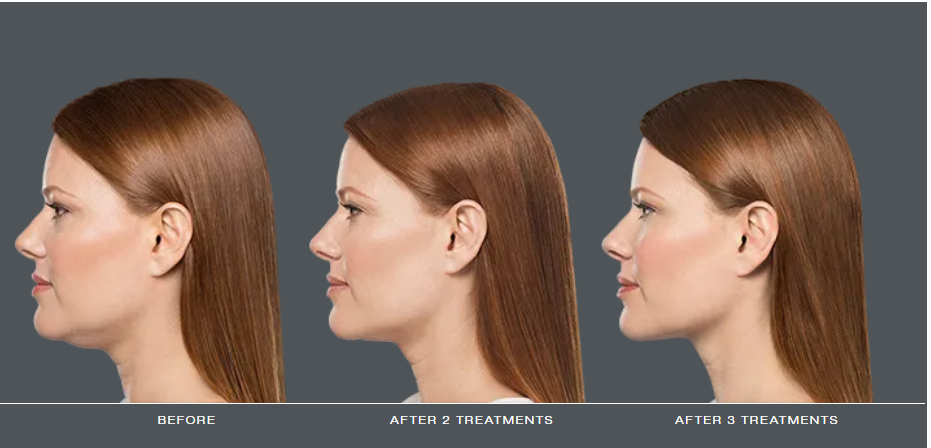
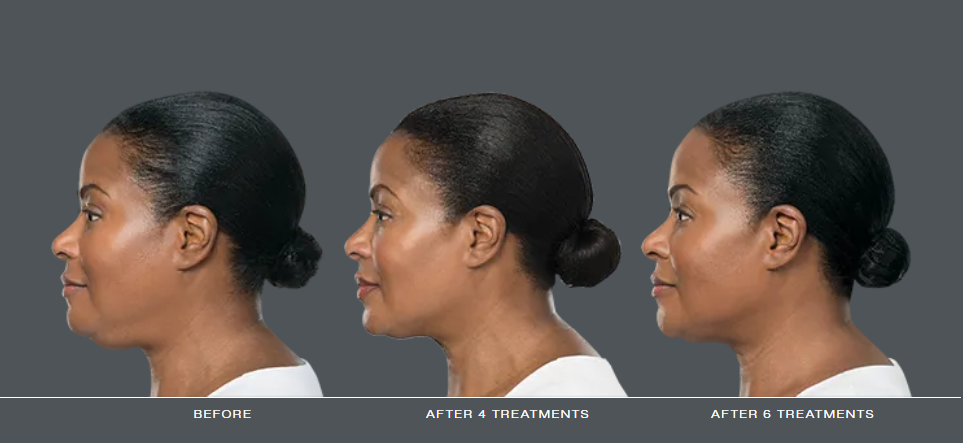
Kybella® is an FDA-approved injectable treatment that reduces submental fat (the “double chin”). It contains deoxycholic acid, a natural substance that breaks down fat cells. Once destroyed, these fat cells are permanently eliminated, helping create a more defined jawline.
Treatment involves a series of small injections under the chin, usually in a grid pattern for even results. Most patients need 2–4 sessions spaced about 4–6 weeks apart.
Kybella is minimally invasive and performed in the office. Common side effects include swelling (often for several days), tenderness, bruising, and temporary numbness. Rare risks include nerve injury (temporary uneven smile) and skin injury if injections are too superficial.
Most side effects resolve on their own within days to weeks, and risks are minimized with proper technique and experienced providers.
Endolaser
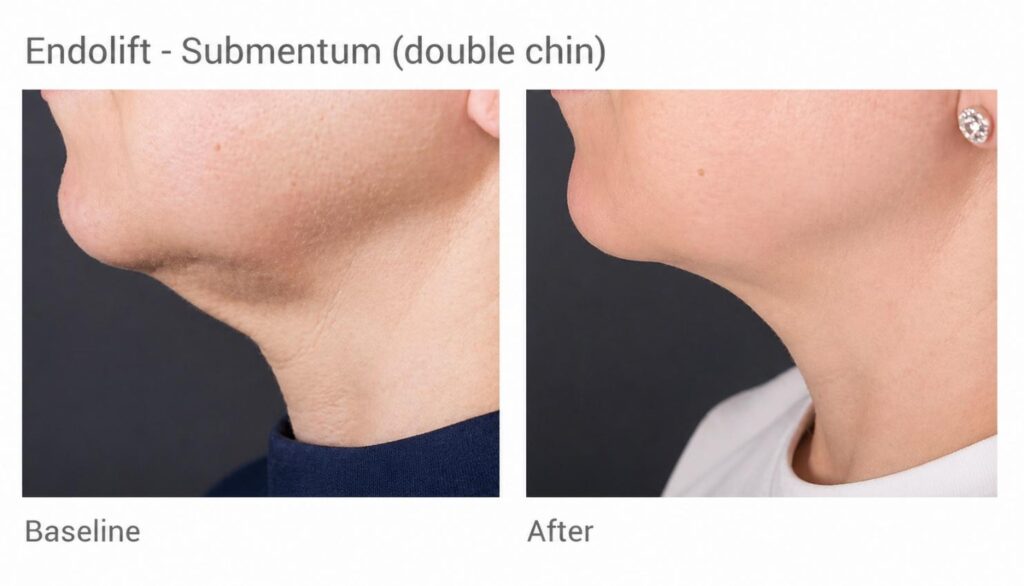
Endolaser (Endolift®) is a minimally invasive treatment that tightens skin and reduces small pockets of fat—without surgery or long downtime. It’s commonly used for the jawline, under the chin, cheeks, neck, and under-eye area.
A very thin laser fiber is placed just under the skin through a tiny entry point. The laser heats the tissue to tighten existing collagen, stimulate new collagen, and reduce fat—resulting in firmer, smoother, more contoured skin over time.
The procedure is done in the office with local numbing and typically takes 30–60 minutes. Most patients return to normal activities within a day or two, with mild swelling or bruising for a few days.
Results develop gradually over several months as collagen rebuilds. Most patients need only one treatment, though a second session may be recommended for enhanced results.
Endolift is ideal for patients looking for noticeable lifting and contouring without surgery, especially for early skin laxity and mild to moderate fat under the chin or jawline.
Chemical Peels
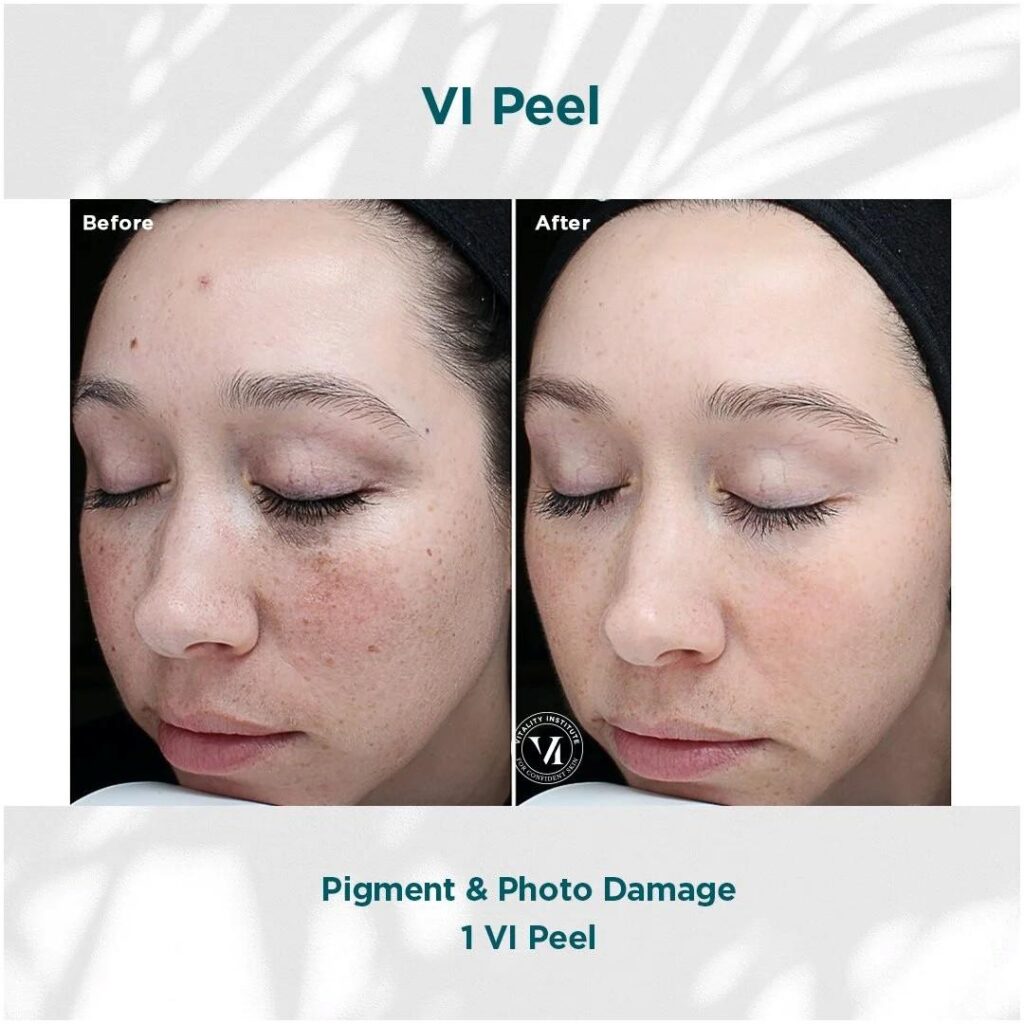
Peels are categorized by the level of injury they cause. Superficial peels cause wounding to the epidermis and may reach the papillary dermis. These peels are well tolerated by patients who require limited “downtime, making them a popular option for improving photoaging, acne, actinic keratoses, sun spots, and uneven pigmentation.
Because these peels are mild, a series of treatments (weekly or monthly) is usually needed to achieve noticeable results. While they can effectively improve skin texture and discoloration, they do not address deep wrinkles or folds, and multiple superficial peels cannot provide the same level of improvement as a deeper peel.
Alpha Hydroxy Acids (AHAs)
α-Hydroxy acids (AHAs) are naturally derived from foods, including glycolic acid (sugarcane), lactic acid (sour milk), malic acid (apples), and citric acid (citrus fruits). Glycolic acid has the smallest molecular size, allowing it to penetrate the skin effectively, making it one of the most commonly used AHAs.
The depth of the peel depends on the pH, concentration, amount applied, and contact time. Glycolic acid (up to 70%) is commonly used to treat melasma, acne, and photoaging. It is applied to the face and then neutralized with water or sodium bicarbonate. It may also be combined with 5-FU for treating actinic keratoses.
Beta Hydroxy Acids (BHAs)
Beta hydroxy acids (BHAs) are oil-soluble exfoliating acids that penetrate into pores, making them especially effective for acne and oily skin. The most commonly used BHA is salicylic acid, typically in concentrations of 20–30% for chemical peels. It works by breaking down dead skin (keratolytic) and unclogging pores (comedolytic), making it a valuable treatment for acne and mild photoaging. It is also commonly used in combination peels such as Jessner’s solution.
BHAs are generally less irritating than many other peels, though patients may feel mild stinging during treatment. A temporary white appearance on the skin, called “frosting,” can occur due to crystallization of the acid. Unlike some other peels, BHAs do not require neutralization, and cool compresses can help soothe the skin afterward.
Other examples of BHAs include beta-lipo hydroxy acid (LHA) and tropic acid, which have similar pore-clearing and exfoliating properties, though they are less commonly used than salicylic acid in clinical practice.
Trichloroacetic Acid (TCA) Chemical Peels
TCA is a versatile chemical peel used to improve skin texture, discoloration, and signs of aging. The depth of the peel depends on the strength and number of layers, allowing treatment to be customized.
Lower strengths (10–25%) provide a superficial peel for pigmentation, mild acne, and uneven tone, while 25–35% creates a medium-depth peel for fine lines, sun damage, and acne scars. Higher strengths create deeper peels but are used less often due to increased risk.
During treatment, the skin may turn red with a white “frost” within minutes, and a brief burning sensation is common. Cooling measures help with comfort, and no neutralization is needed after the peel.
Jessner’s Chemical Peel
Jessner’s Chemical Peel is a superficial peel that exfoliates the skin to improve acne, clogged pores, and rough or thickened texture. It contains a blend of resorcinol, salicylic acid, and lactic acid in an alcohol base.
This peel is self-neutralizing, so it does not need to be washed off. It can be applied in layers for a deeper effect when needed. Jessner’s peel helps improve skin clarity and smoothness with minimal downtime.
Medium-Depth Chemical Peels
Medium-Depth Chemical Peels treat deeper layers of the skin to improve fine lines, sun damage, uneven pigmentation, precancerous spots (actinic keratoses), and overall texture by stimulating collagen during healing. These are typically done as a single treatment due to their stronger effect.
They are commonly performed using 35% TCA combined with Jessner’s solution or glycolic acid for more even, predictable results. High-strength TCA alone is used less often due to a higher risk of scarring and discoloration.
Because this is a more intensive peel, antiviral medication is recommended to prevent cold sores. This is usually started the day of treatment and continued for about 7–10 days during healing.
Deep Chemical Peels
Deep Chemical Peel (Phenol Peel) is a powerful skin resurfacing treatment used for severe sun damage and deep wrinkles. It removes skin down to deeper layers, allowing smoother, tighter, and more even skin to form as it heals. It’s best for advanced aging concerns.
The most common type is the Baker-Gordon phenol peel, performed in sections over 1–2 hours to control absorption. Because phenol can affect the heart, monitoring is required and IV fluids may be used for safety.
Recovery is longer, with redness and sensitivity requiring ointment-based wound care until healed. Results can be dramatic, but risks include lightening of the skin (hypopigmentation), texture changes, and rare scarring. Antiviral medication is used to prevent cold sores. If the solution gets near the eyes, it must be rinsed with mineral oil—not water.
This treatment offers significant improvement but requires more downtime and should only be performed by an experienced medical provider.
Schedule Your Dermatology Consultation
Take the next step toward healthier skin.
Aesthetics & Medical Lasers of Colorado – Clinical Dermatology
Locations
700 Tenacity Drive #102 Longmont, Colorado, 80504
2801 Remington Street Suite 2, Fort. Collins, Colorado, 80525
Contact
720-818-0533
Office Hours
Monday-Friday 8:00 AM to 6:00 PM Saturday 10 AM to 2 PM Sunday: By Appoinment only
Aesthetics & Medical Lasers Dermatology
Get a Dermatology consultation and customized skin care solutions
Services
Work Hours
- Monday-Friday 8:00 AM to 6:00 PM Saturday 10 AM to 2 PM Sunday: By Appoinment only
- 720-818-0533
- 700 Tenacity Drive #102 Longmont, Colorado, 80504
- 2801 Remington Street Suite 2, Fort. Collins, Colorado, 80525
- Copyrigt © 2026 Aesthetics & Medical Lasers Dermatology
- Terms of Use
- Privacy Policy