
Xerotic eczema—also called winter itch, eczema craquelé, or asteatotic eczema—is a common condition caused by very dry skin. It appears as red patches with dry, flaky scale and fine cracks that can look like cracked porcelain or a dried lake bed. As the area worsens, these small fissures become more visible. Some patients may also develop round (nummular) patches, though these are usually less weepy than classic nummular eczema.
Xerotic Eczema
- Home
- /
- Xerotic Eczema (Winter Itch)
Xerotic Eczema (Winter Itch)
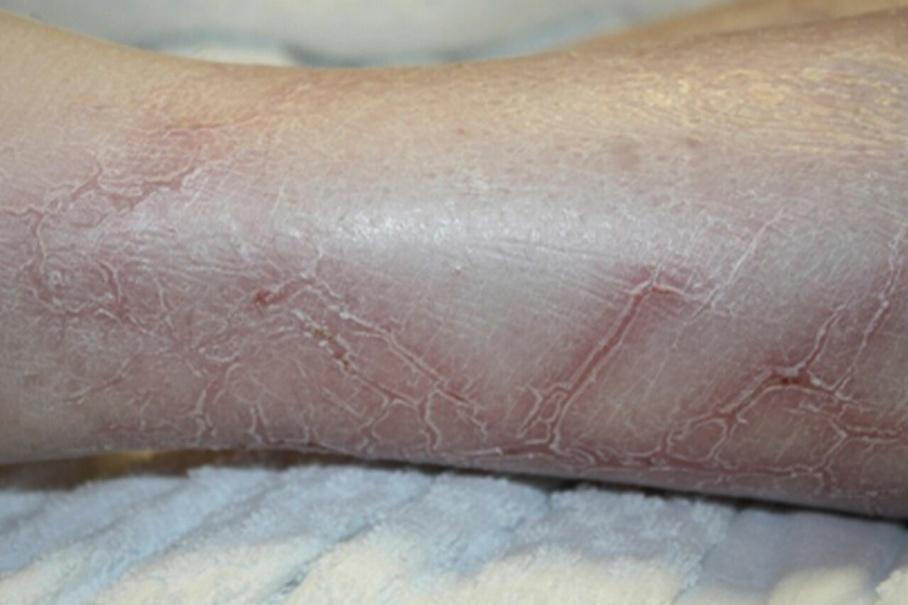
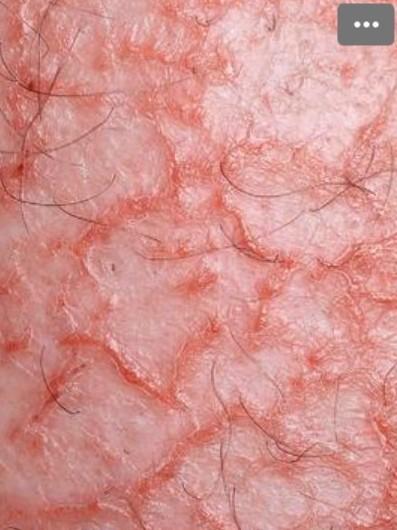
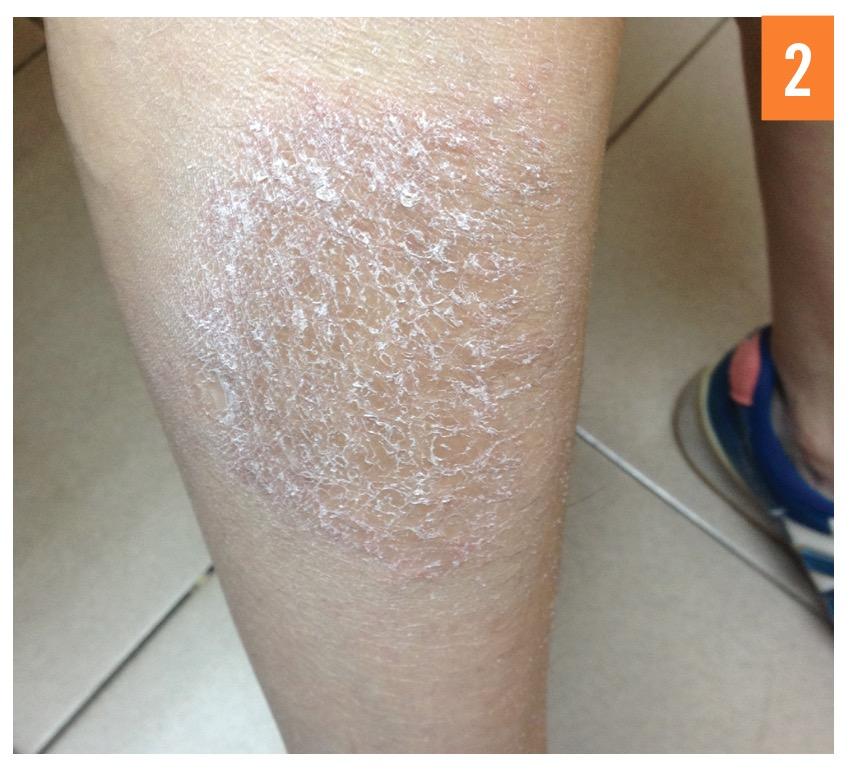
Xerotic eczema—also called winter itch, eczema craquelé, or asteatotic eczema—is a common condition caused by very dry skin. It appears as red patches with dry, flaky scale and fine cracks that can look like cracked porcelain or a dried lake bed. As the area worsens, these small fissures become more visible. Some patients may also develop round (nummular) patches, though these are usually less weepy than classic nummular eczema.
It most often affects the shins, outer arms, and sides of the body. Older adults are especially prone, and dry skin (xerosis) is one of the most common causes of itching in this group.
Xerotic eczema is more common in the winter when humidity is low. Hot showers and harsh soaps can make it worse by damaging the skin barrier. This leads to increased water loss from the skin (transepidermal water loss, or TEWL). After about age 55, the skin’s ability to repair this barrier decreases, partly due to a rise in skin pH. Restoring a slightly acidic skin environment can help improve barrier function. Some patients—especially those with FLG gene mutation—are more prone to chronic dry skin.
Treatment focuses on restoring the skin barrier:
- Take short, lukewarm (not hot) showers
- Use soap only on necessary areas (like underarms and groin)
- Choose gentle, acidic (low pH) cleansers instead of harsh soaps
- Apply a moisturizer immediately after bathing to lock in hydration
- Thick emollients like white petrolatum are very effective
- Creams with 10% urea or 5% lactic acid help hydrate and gently exfoliate
- For inflamed areas, topical corticosteroids in ointment form can reduce redness and itching
With proper skin care and barrier repair, symptoms usually improve quickly and are very manageable.
At Aesthetics and Medical Lasers of Colorado – Dermatology, we provide comprehensive evaluation and personalized treatment for alopecia areata and other hair disorders.
📍 Longmont Office
1350 Tulip Street, Suite 2
Longmont, CO 80501
📍 Fort Collins Office
2801 Remington Street, Suite 2
Fort Collins, CO 80525
📞 Call us today: 720-818-0533 Schedule your consultation and take the first step toward healthier, fuller-looking hair.
Popular Blog
Laser Treatment Indications & Wavelength Guide
April 11, 2026
Xerotic Eczema (Winter Itch)
April 11, 2026
What are syringomas?
March 30, 2026
Does sweat harm your skin
March 16, 2026
PH and Lipid Barrier
March 11, 2026
Glomus Tumor
March 09, 2026
Alopecia Areata
March 07, 2026
Female Pattern Hair Loss
March 06, 2026
Locations
700 Tenacity Drive #102 Longmont, Colorado, 80504
2801 Remington Street Suite 2, Fort. Collins, Colorado, 80525
Contact
720-818-0533

Aesthetics & Medical Lasers Dermatology
Get a Dermatology consultation and customized skin care solutions
Services
Work Hours
- Monday-Friday 8:00 AM to 6:00 PM Saturday 10 AM to 2 PM Sunday: By Appoinment only
- 720-818-0533
- 700 Tenacity Drive #102 Longmont, Colorado, 80504
- 2801 Remington Street Suite 2, Fort. Collins, Colorado, 80525
- Copyrigt © 2026 Aesthetics & Medical Lasers Dermatology
- Terms of Use
- Privacy Policy