
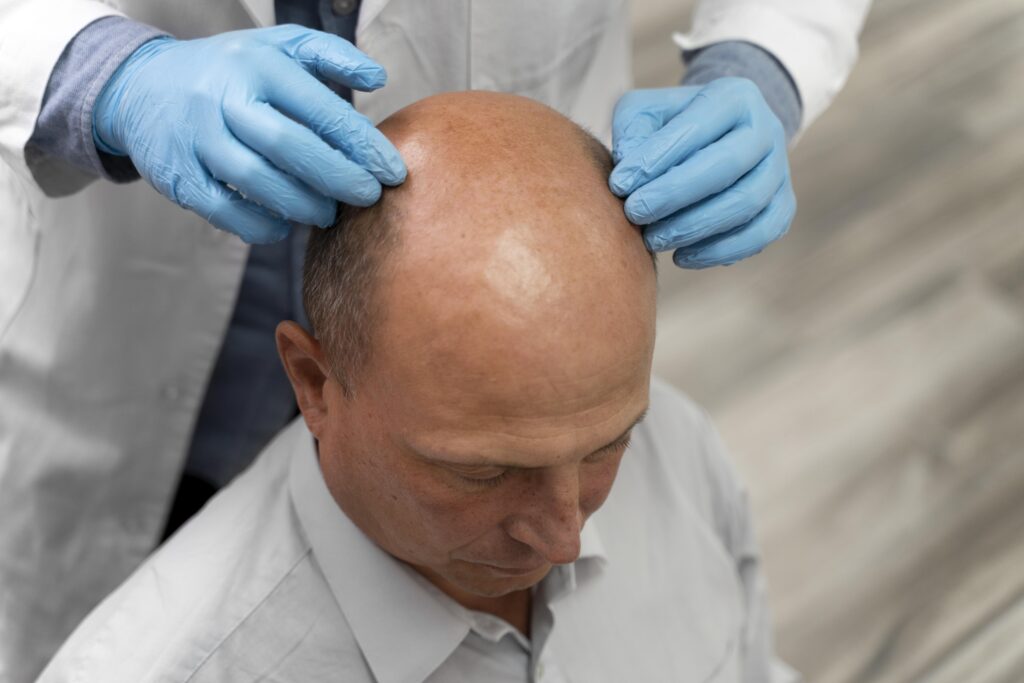
Alopecia (Hair Loss)

Hair Loss

Alopecia is the medical term for hair loss from the scalp or body. Hair loss can be temporary or permanent and may be caused by genetics, hormones, stress, illness, medications, nutritional deficiencies, inflammation, infections, or immune system changes.

Hair loss is divided into two main types: non-scarring and scarring alopecia.

Non-Scarring Alopecia

This is the most common type of hair loss. The hair follicle remains intact, so hair can often grow back once the cause is treated. Common types include male and female pattern hair loss, stress-related shedding (telogen effluvium), alopecia areata, fungal infections, medication-related hair loss, and traction alopecia from tight hairstyles.

Treatment focuses on identifying and treating the underlying cause while supporting hair regrowth.

Scarring Alopecia

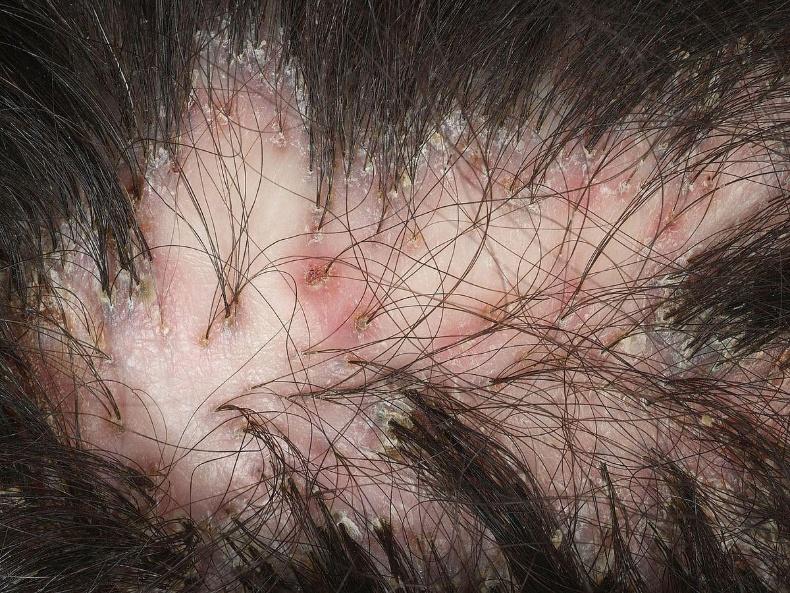
Scarring alopecia is less common but more serious because inflammation permanently damages the hair follicle, making regrowth difficult or impossible. The scalp may look red, shiny, scaly, tender, or develop bumps and pustules.

Common causes include lichen planopilaris, discoid lupus, CCCA, and folliculitis decalvans. Early diagnosis and treatment are important to reduce inflammation and prevent permanent hair loss.

Androgenetic Alopecia (Pattern Hair Loss)

Androgenetic alopecia is the most common cause of hair loss in both men and women. It is influenced by genetics and hormones and is commonly called male pattern hair loss or female pattern hair loss. Hair follicles gradually shrink (miniaturize), producing thinner and shorter hairs over time. Early treatment is important because follicles are still alive in the early stages.


Female Pattern Hair Loss (FPHL)

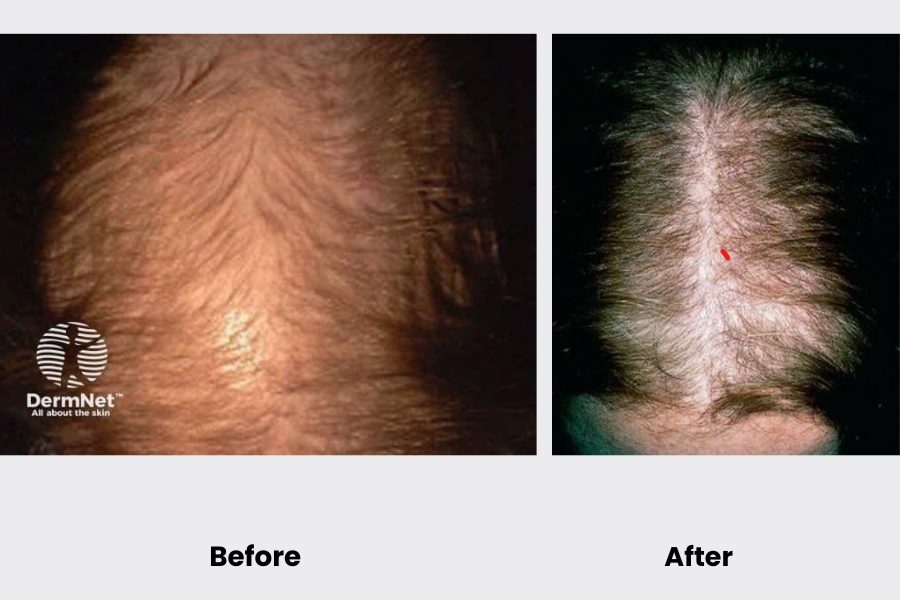
Female Pattern Hair Loss (FPHL) causes gradual thinning on the top of the scalp and widening of the part, while the frontal hairline is often preserved. Genetics and sensitivity to DHT play a major role, but stress, thyroid disease, low iron, nutritional deficiencies, and hormonal imbalance can worsen hair loss. Acne, irregular periods, or excess facial hair may suggest a hormonal cause. High-dose biotin is usually not recommended.

Treatment focuses on slowing hair loss and stimulating regrowth. Common options include topical or oral minoxidil, spironolactone, PRP, microneedling, and low-level light therapy. Finasteride and dutasteride are generally avoided in women who may become pregnant.

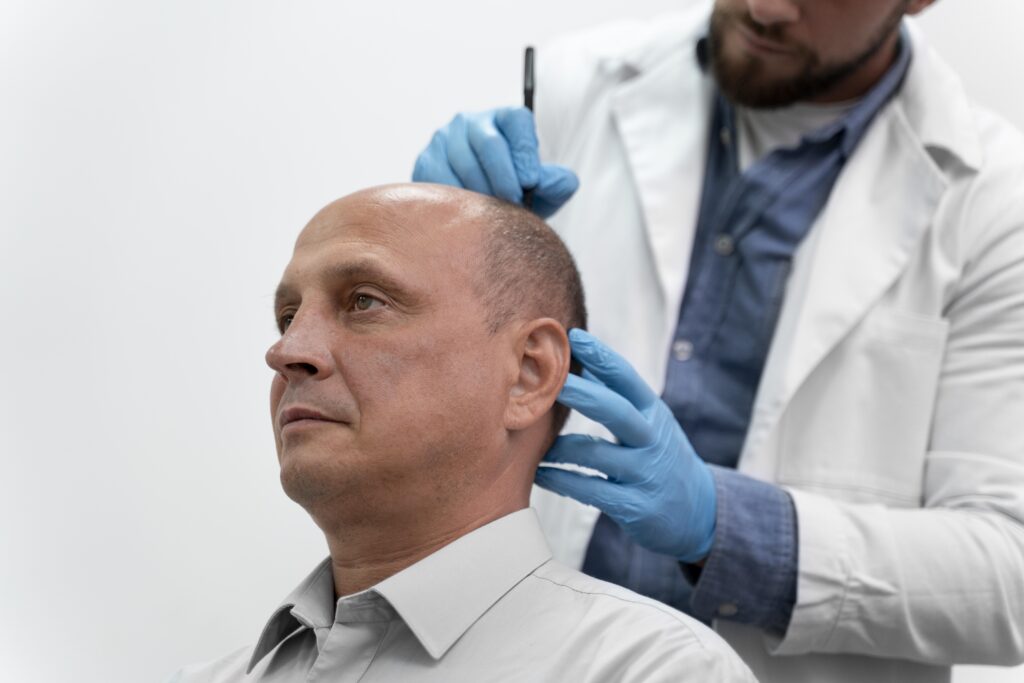
Male Pattern Hair Loss (MPHL)

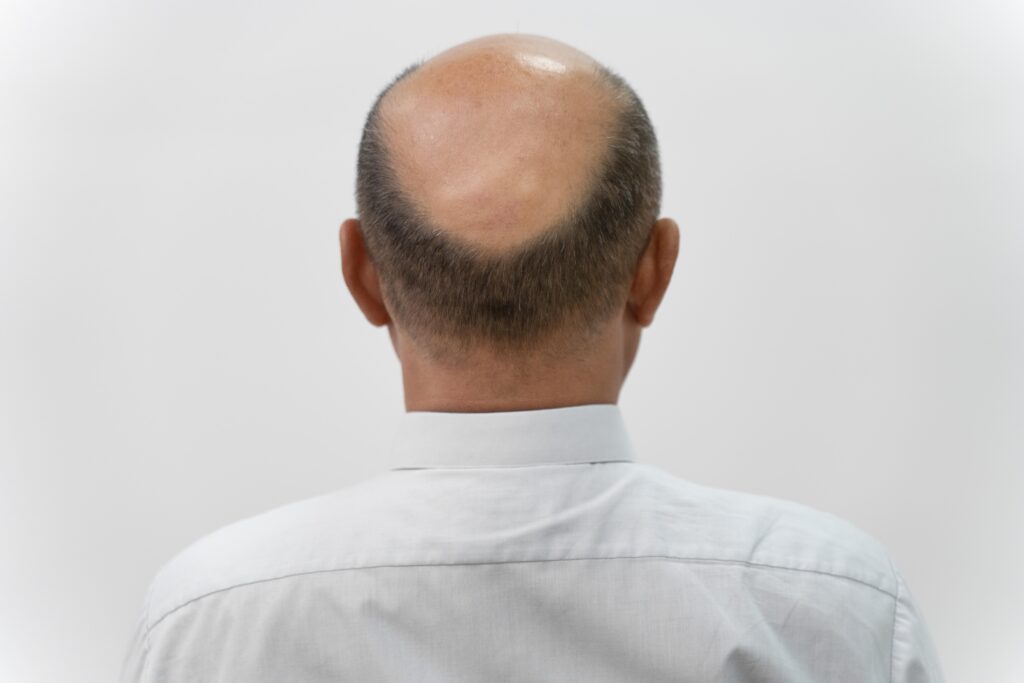
Male Pattern Hair Loss (MPHL) is the most common type of hair loss in men and usually begins with thinning at the temples and crown, leading to a receding hairline over time. It is mainly caused by genetics and sensitivity to DHT, a hormone that shrinks hair follicles and produces finer hairs. Smoking, anabolic steroids, testosterone therapy, stress, certain medications, and poor diet may worsen hair loss.

Treatment focuses on slowing hair loss and stimulating regrowth with options such as minoxidil, finasteride, dutasteride, ketoconazole shampoo, PRP, microneedling, and hair transplantation. Early treatment often gives the best results.

PRP, Exosomes, and FUE Hair Restoration

Exosomes, PRP, and FUE hair transplantation are commonly used treatments for androgenetic alopecia (male and female pattern hair loss).

PRP (Platelet-Rich Plasma) uses growth factors from the patient’s own blood to help stimulate hair follicles, improve hair thickness, and support regrowth. It is often combined with microneedling or medications such as minoxidil and finasteride.

Exosome therapy uses cell-signaling particles that may help reduce inflammation and support follicle repair and hair growth. Exosomes are newer treatments and are often combined with PRP or microneedling, although long-term research is still developing.

FUE (Follicular Unit Extraction) is a hair transplant technique where individual hair follicles are removed from the back of the scalp and transplanted into thinning areas. Because the donor hairs are resistant to DHT, results are usually long lasting. FUE is a minimally invasive procedure with small scars and a natural-looking appearance.

Loose Anagen Syndrome

Loose anagen syndrome is a harmless condition most often seen in young children, especially blond girls. The hairs are loosely attached to the scalp and can be pulled out easily, causing thinning or hair that does not seem to grow long. The condition usually improves with age.

Telogen Effluvium

Telogen Effluvium is a common type of temporary hair shedding that usually occurs several months after stress, illness, surgery, childbirth, thyroid problems, low iron, rapid weight loss, medications, or poor nutrition. Many people notice increased shedding in the shower or on the brush, and the shed hairs often have a small white bulb at the root. Treatment focuses on correcting the underlying cause, such as improving nutrition, reducing stress, or treating iron or thyroid problems. Most cases improve within several months, and hair regrowth is usually expected.

Anagen Effluvium

Anagen Effluvium is sudden hair loss caused by disruption of the hair growth phase, most commonly from chemotherapy, radiation, certain medications, or toxins. Hair loss often happens quickly over a short period of time. Treatment focuses on managing the underlying cause, and hair usually grows back once the trigger is stopped. Minoxidil and scalp cooling during chemotherapy may help support regrowth and reduce shedding.

Alopecia Areata

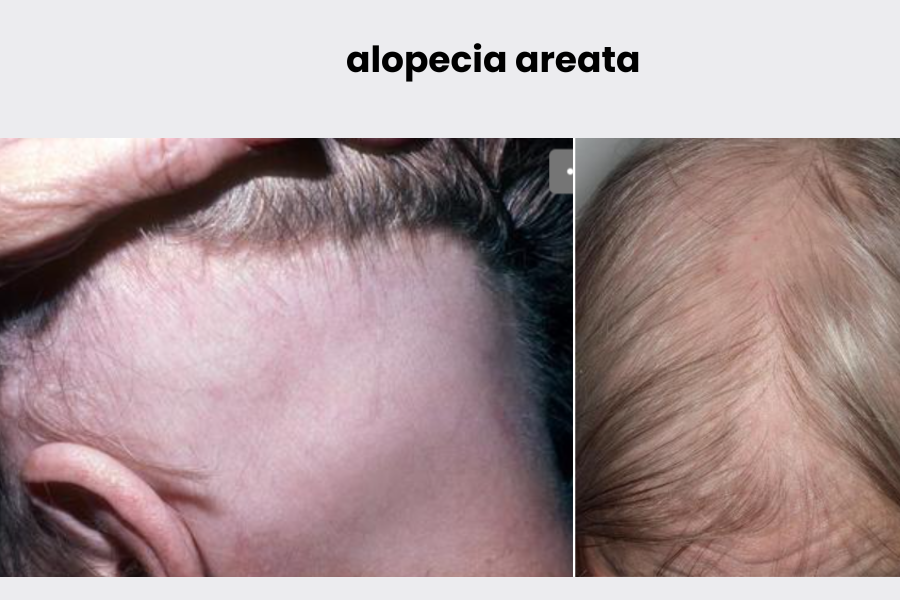
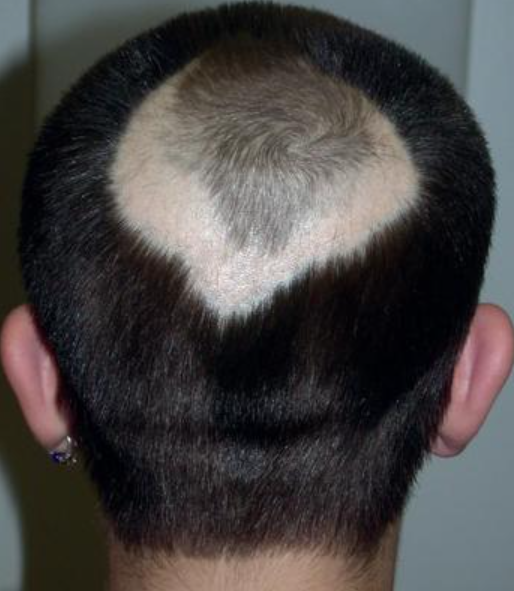
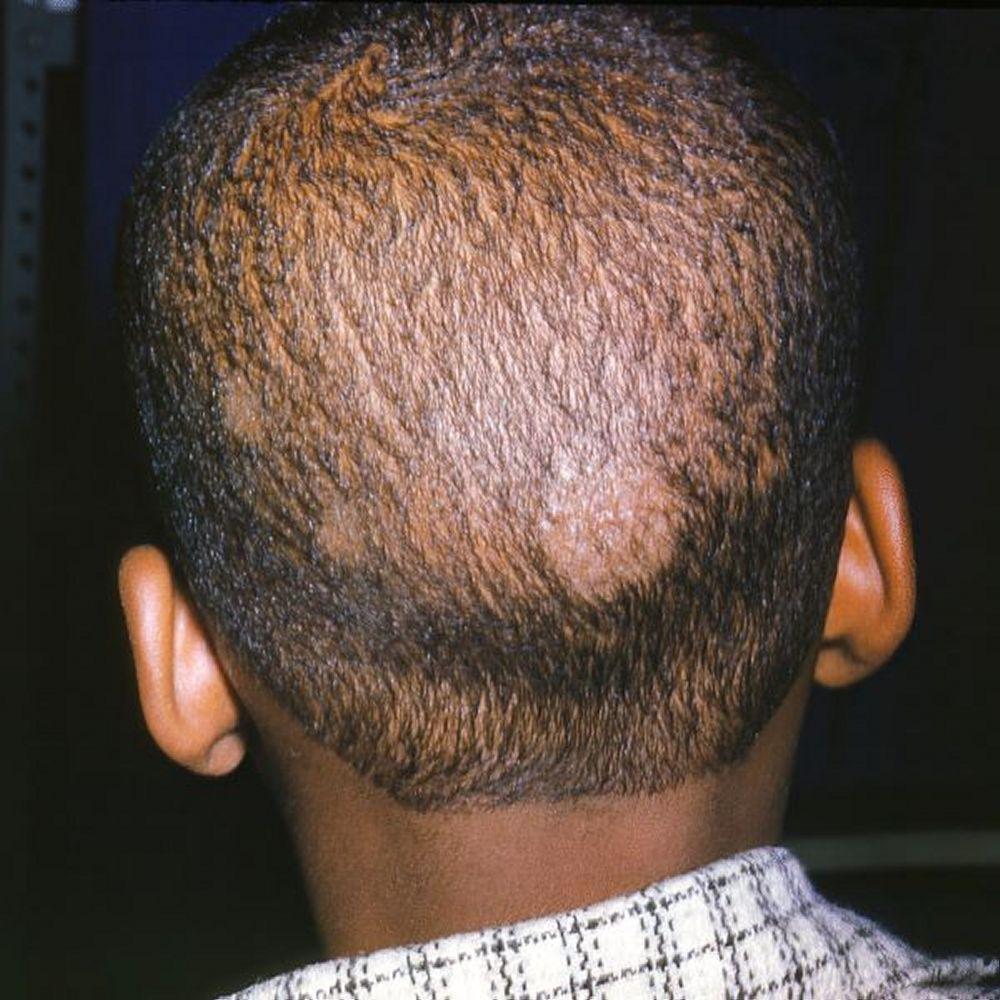
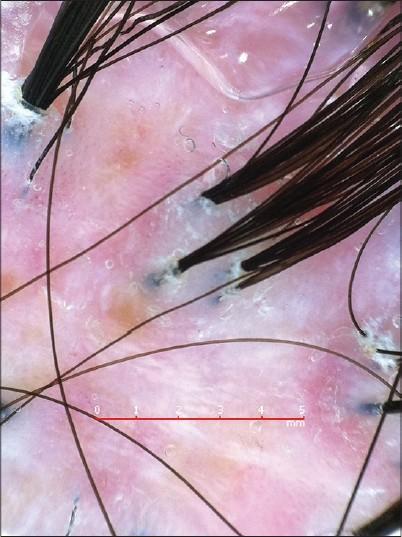
Alopecia Areata is an autoimmune condition that causes sudden patchy hair loss, usually in round areas on the scalp. Some people may notice nail pitting or short broken “exclamation point” hairs, and in severe cases hair loss can involve the entire scalp or body. The immune system mistakenly attacks hair follicles, interrupting normal hair growth. Treatment may include steroid injections, topical or oral medications, and newer JAK inhibitor therapies. Hair often regrows, but the condition can sometimes recur unpredictably.

Because these peels are mild, a series of treatments (weekly or monthly) is usually needed to achieve noticeable results. While they can effectively improve skin texture and discoloration, they do not address deep wrinkles or folds, and multiple superficial peels cannot provide the same level of improvement as a deeper peel.

Trichotillomania (Hair Pulling Disorder)

Trichotillomania is hair loss caused by repeated pulling or twisting of the hair, often affecting the scalp, eyebrows, or eyelashes. It may appear as irregular patches with broken hairs of different lengths and is commonly linked to stress, anxiety, or obsessive-compulsive behaviors. Hair usually regrows if the pulling stops, although some people may not realize they are doing it. Treatment may include behavioral therapy, counseling, stress management, and medications when needed

Tinea Capitis

Tinea Capitis is a fungal infection of the scalp that is most common in children and can cause scaling, itching, broken hairs, and patchy hair loss. The infection spreads through close contact, shared combs or hats, and infected animals. Treatment usually requires oral antifungal medication, often combined with medicated shampoos such as ketoconazole or selenium sulfide. Early treatment is important to help prevent scarring and permanent hair loss.

Traction Alopecia

Traction alopecia is hair loss caused by repeated pulling from tight hairstyles such as braids, ponytails, buns, extensions, or twisting of the hair. It commonly affects the hairline and temples and may leave a thin “fringe” of hair along the edges. Early hair loss is often reversible if the tension is stopped. Long-term pulling can cause permanent scarring hair loss. Treatment focuses on avoiding tight hairstyles and supporting regrowth.

Traction Alopecia

Traction alopecia is hair loss caused by repeated pulling from tight hairstyles such as braids, ponytails, buns, extensions, or twisting of the hair. It commonly affects the hairline and temples and may leave a thin “fringe” of hair along the edges. Early hair loss is often reversible if the tension is stopped. Long-term pulling can cause permanent scarring hair loss. Treatment focuses on avoiding tight hairstyles and supporting regrowth.


Temporal Triangular Alopecia

Temporal Triangular Alopecia is a harmless, non-progressive type of hair loss that usually appears in childhood. It most commonly affects the frontotemporal area of the scalp and appears as a stable triangular or oval patch of thinning hair. The skin looks normal without scaling, redness, or scarring, and the condition does not typically spread or worsen over time.

Treatment is usually not medically necessary, but cosmetic options are available for patients who are bothered by the appearance. Hair transplantation is often the most effective long-term treatment. Some patients may also try topical minoxidil, although results can vary.

Central Centrifugal Cicatricial Alopecia (CCCA)

CCCA is a type of scarring hair loss most commonly seen in Black women. It usually begins at the crown of the scalp and slowly spreads outward. Because it can permanently damage hair follicles, early diagnosis and treatment are important.

CCCA is linked to inflammation and sometimes worsened by heat, chemicals, tight hairstyles, or traction. Treatment focuses on stopping progression with topical steroids, oral medications such as doxycycline, and avoiding damaging hair practices. Minoxidil and other anti-inflammatory treatments may also help. Hair transplantation may be considered once the condition is stable.

Folliculitis Decalvans

Folliculitis decalvans is a type of scarring hair loss caused by inflammation and bacteria around the hair follicles, often involving Staphylococcus. It commonly causes recurrent pustules, crusting, redness, scalp tenderness, and expanding areas of permanent hair loss.

Treatment focuses on controlling inflammation and infection with oral antibiotics, medicated shampoos, and topical steroids during flares. More resistant cases may require combination antibiotics or other anti-inflammatory treatments. Early and consistent treatment is important to help prevent permanent hair loss.

Lichen Planopilaris (LPP) & Frontal Fibrosing Alopecia (FFA)

Lichen Planopilaris (LPP) is a type of scarring hair loss caused by inflammation around the hair follicles. It can lead to redness, scaling, itching, burning, and permanent hair loss. The scalp may appear smooth, pale, or shiny in affected areas.

Frontal Fibrosing Alopecia (FFA) is a form of LPP most commonly seen in older women. It usually causes a gradual band-like recession of the frontal hairline along with thinning or loss of the eyebrows.

Treatment focuses on reducing inflammation and slowing progression. Common treatments include topical or injected steroids, oral anti-inflammatory medications, JAK inhibitors, and dutasteride for FFA. Early treatment is important to help prevent permanent hair loss.

Scalp Sarcoidosis

Sarcoidosis of the scalp can cause patchy or diffuse hair loss. The affected skin may appear firm, red-brown, or raised and can sometimes lead to scarring hair loss. Diagnosis is confirmed with a biopsy.

Treatment focuses on reducing inflammation with medications used for sarcoidosis. Because sarcoidosis can affect other organs, patients may also need evaluation for heart or nervous system involvement.

Pressure Alopecia

Pressure alopecia is hair loss caused by prolonged pressure on the scalp, often after surgery, general anesthesia, or long periods of bed rest. Reduced blood flow to the area can damage hair follicles and lead to localized hair loss.

In many cases, hair regrows once the pressure is relieved, but severe or prolonged pressure can sometimes cause permanent hair loss.

Tufted Folliculitis

Tufted Folliculitis is a scalp condition where several hairs grow from a single opening, creating a “doll’s hair” appearance. It is usually linked to chronic scalp inflammation or infection and may occur with conditions such as folliculitis decalvans, dissecting cellulitis, acne keloidalis nuchae, or scarring from prior inflammation or burns. Treatment focuses on controlling inflammation and infection early to help prevent permanent scarring hair loss.

Tumor Alopecia (Alopecia Neoplastica)

Tumor alopecia is hair loss caused by benign or malignant tumors of the scalp. Alopecia neoplastica refers to scalp hair loss from metastatic cancers, most commonly breast or kidney cancer. Diagnosis often requires a scalp biopsy, and treatment focuses on the underlying tumor or cancer.

HAIR COLOR AND GRAYING

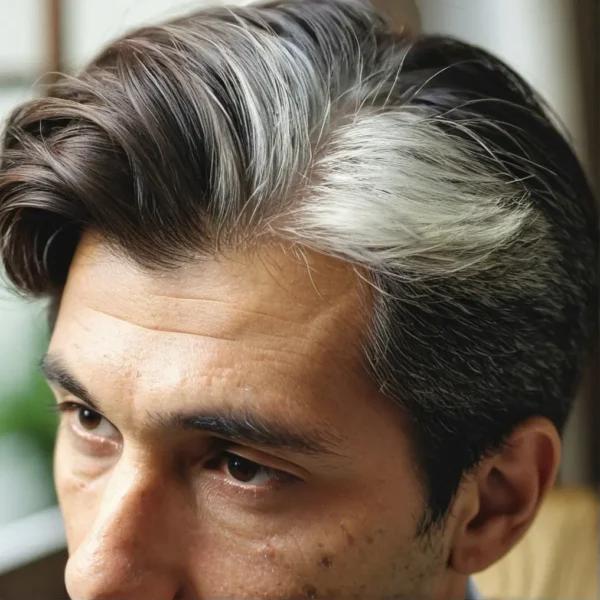
Hair color comes from melanin made by pigment cells in the hair follicles. As we age, these cells produce less pigment, leading to gray hair, which is largely influenced by genetics and often begins at the temples. Dark hair contains more eumelanin, while blond and red hair contain more pheomelanin. Red hair is linked to changes in the MC1R gene, which is also associated with freckles and sun sensitivity.

Hair color and texture can also change due to medical conditions, nutritional deficiencies, medications, stress, or environmental exposures. Certain illnesses, including HIV/AIDS, may cause hair to become thinner, softer, lighter, or shed more easily.

Pseudofolliculitis Barbae (Razor Bumps)

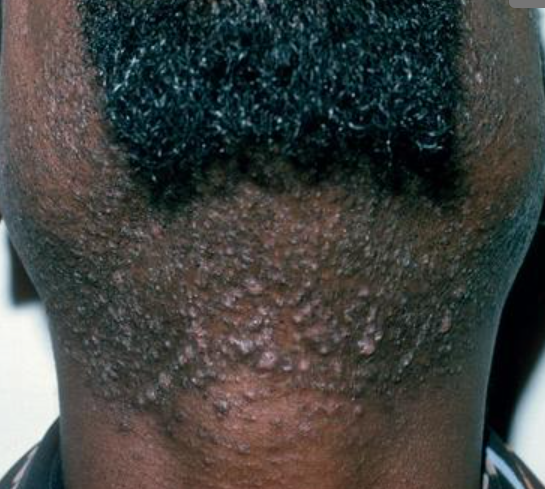
Pseudofolliculitis Barbae, or razor bumps, happens when shaved hairs curl back into the skin, causing inflamed bumps, irritation, pustules, and sometimes dark marks or scarring. It is most common in people with curly hair, especially Black men.

Treatment focuses on reducing inflammation and preventing ingrown hairs. Using clippers instead of close shaving can help reduce flares. Other treatments may include topical medications, glycolic acid, antibiotics, and laser hair removal with an Nd:YAG or diode laser, which can provide long-term improvement.

Schedule Your Dermatology Consultation

Take the next step toward healthier skin.
Aesthetics & Medical Lasers of Colorado – Clinical Dermatology

Locations

700 Tenacity Drive #102 Longmont, Colorado, 80504

2801 Remington Street Suite 2, Fort. Collins, Colorado, 80525

Contact

720-818-0533

Office Hours

Monday-Friday 8:00 AM to 6:00 PM Saturday 10 AM to 2 PM Sunday: By Appoinment only

Aesthetics & Medical Lasers Dermatology

Get a Dermatology consultation and customized skin care solutions

Work Hours