
Perioral Dermatitis and its variants, Seborrheic Dermatitis, Tinea Versicolor, Dandruff, Sebopsoriasis and Malassezia Folliculitis
Perioral Dermatitis
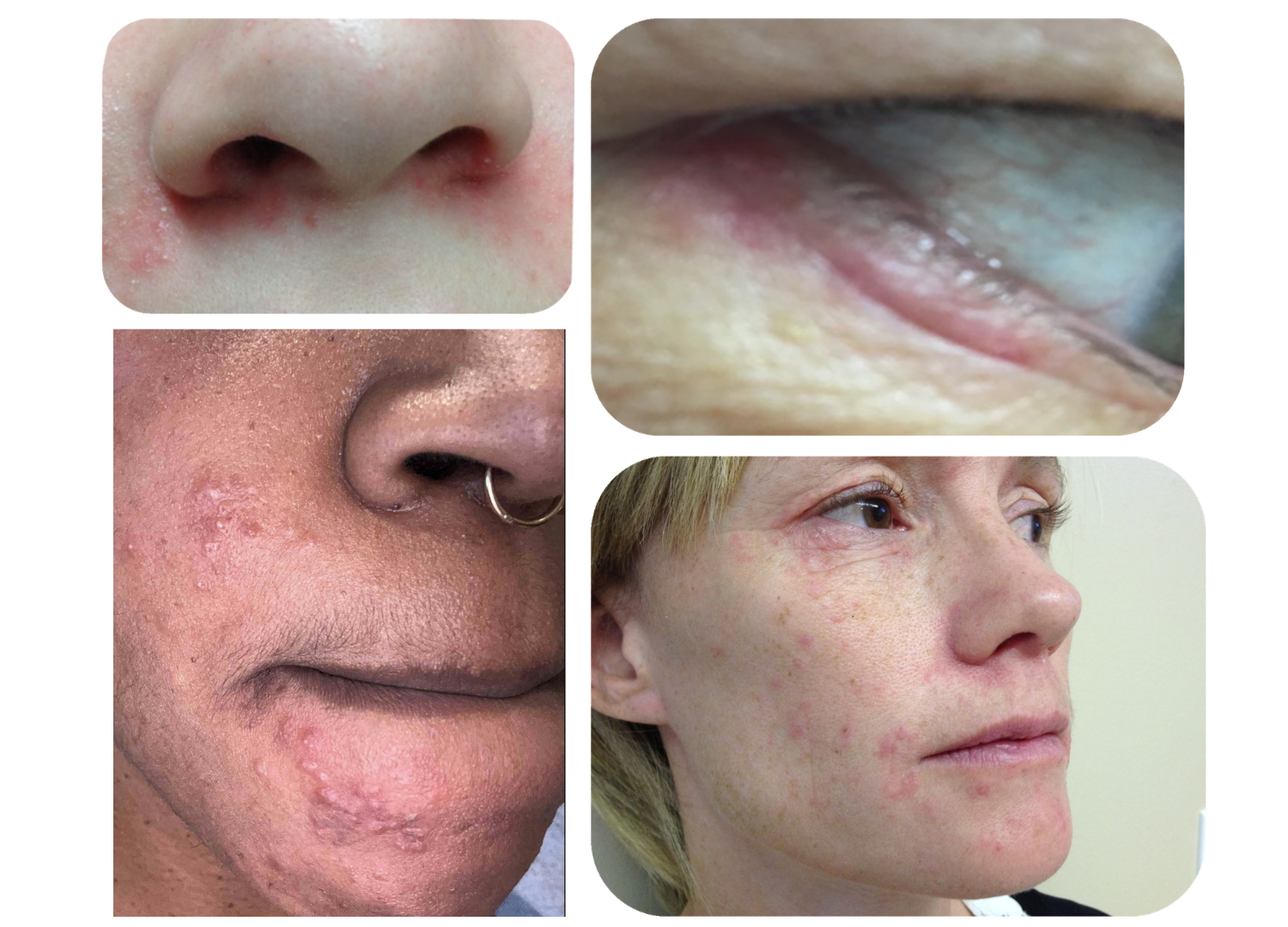
What Is Perioral Dermatitis?
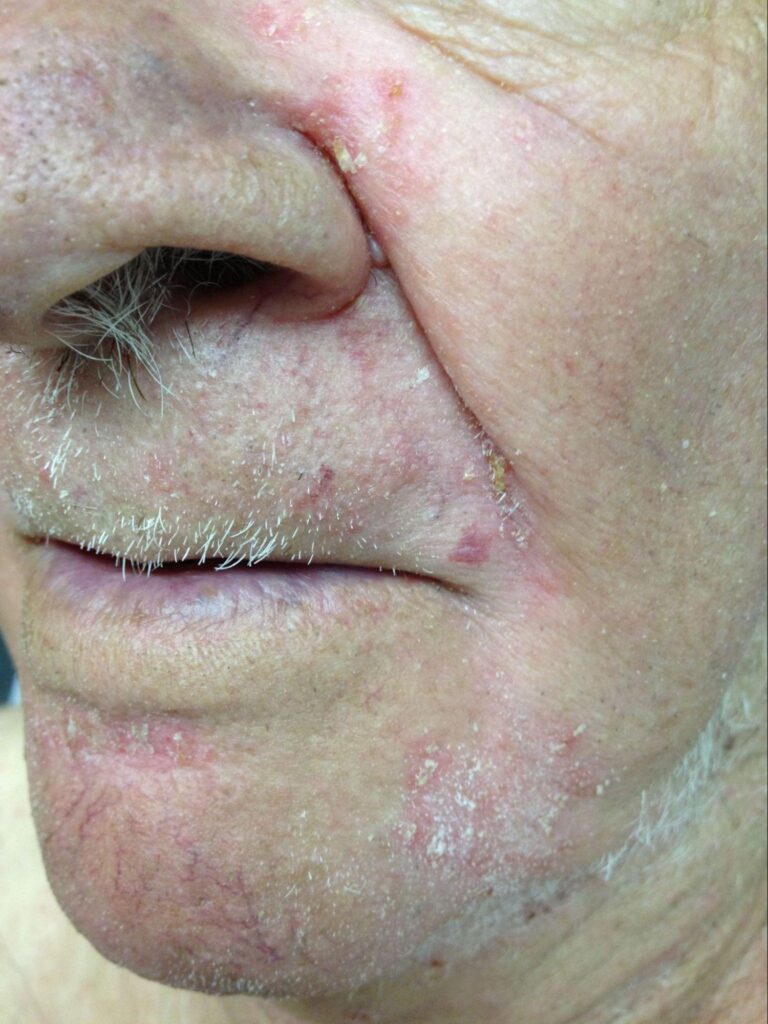
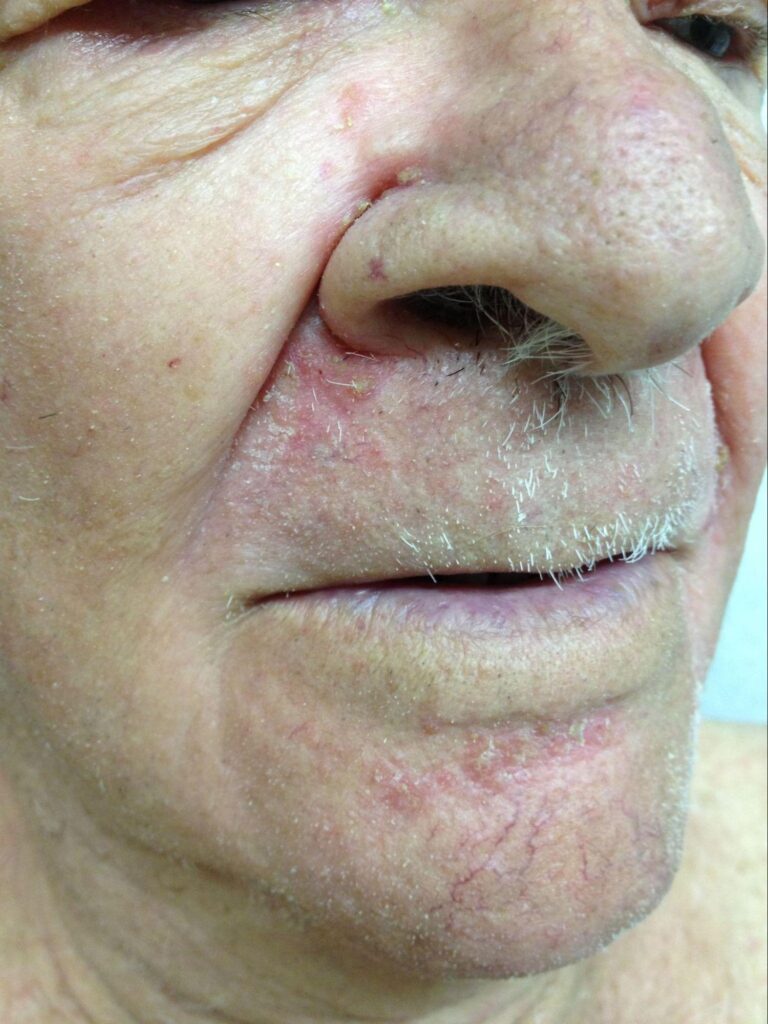
Perioral dermatitis is a common inflammatory skin condition that causes a red, bumpy or scaly rash around the mouth, usually sparing the lips, and may also involve the nose or eyes (periorificial dermatitis). It appears as clusters of small bumps and may cause dryness, burning, tightness, or itching. While harmless, it can be persistent, come and go, and be cosmetically frustrating. It is most common in women ages 20–45 and children (especially girls 7–13) but can affect anyone.
Common Causes and Triggers of Perioral Dermatitis
Perioral dermatitis is often linked to topical steroids, heavy creams, cosmetics, toothpaste, hormones, and a weakened skin barrier. These don’t directly cause the rash but can worsen it by allowing bacteria to grow. Steroids may temporarily help but often lead to rebound, while heavy products trap moisture and bacteria. Barrier damage from over-washing, harsh products, or sunburn increases risk, and it can also spread with frequent face touching or contaminated products. It behaves like a bacteria-driven condition and improves with gentle skincare, good hygiene, and barrier repair.
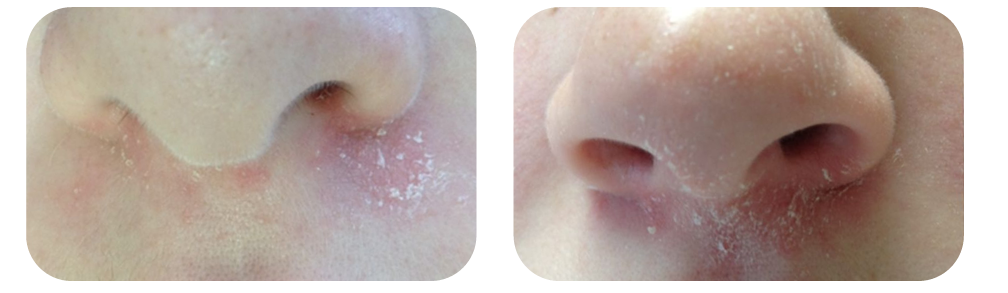
Perioral Dermatitis can sometimes be scaly.
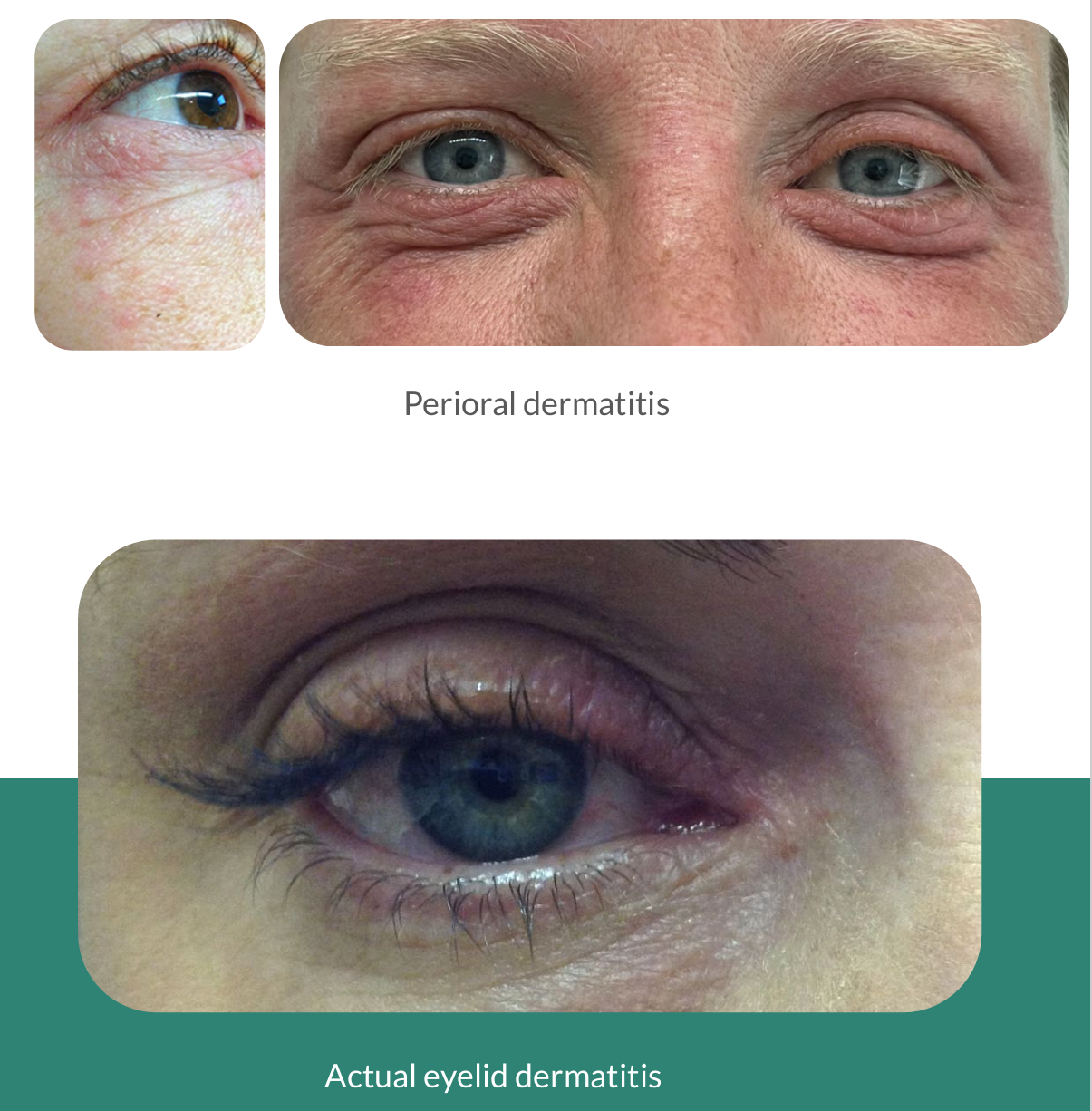
Perioral Dermatitis can sometimes be misdiagnosed as eyelid dermatitis
Treatment of Perioral Dermatitis
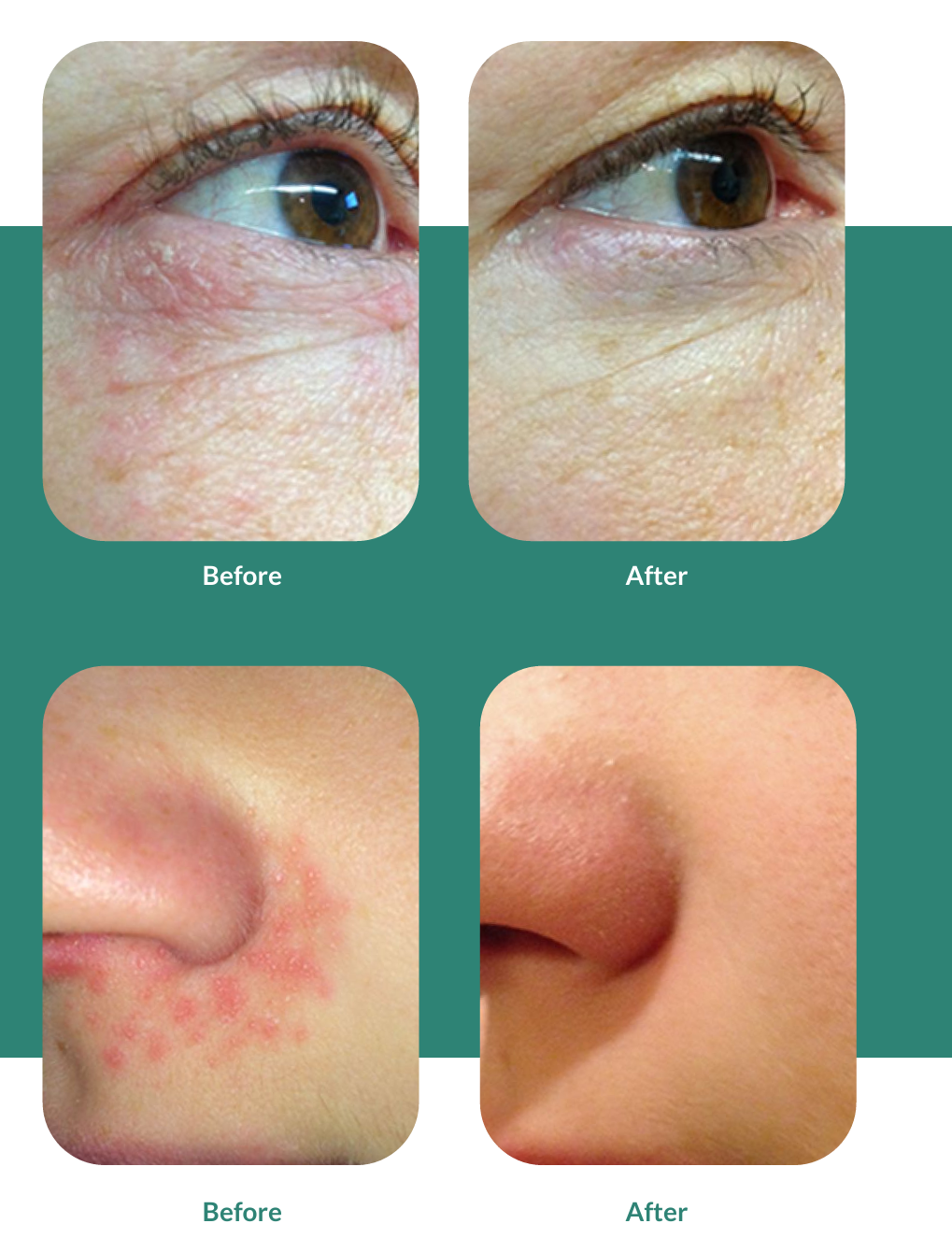
Treatment focuses on restoring the skin barrier, reducing bacteria, and removing triggers. Use gentle, slightly acidic skincare (low-pH cleanser/serum) to support repair, and apply a topical antibiotic like 2% erythromycin to affected areas (including inside the nose if needed). Use a lightweight moisturizer as needed. It’s important to stop steroids, as they can cause rebound flares. Avoid unnecessary treatments, including prolonged oral antibiotics, and keep the routine simple and consistent for best results.
Seborrheic Dermatitis: Causes, Symptoms, and Treatment
Malassezia-driven Dermatoses: Seborrheic Dermatitis, Sebopsoriasis, Dandruff, Tinea Versicolor and Malassezia Folliculitis
Malassezia is a normal skin yeast that can overgrow and contribute to conditions like dandruff, seborrheic dermatitis, tinea versicolor, and fungal acne. Treatment focuses on restoring balance—keeping the skin slightly acidic, supporting the skin barrier, reducing inflammation, and controlling heat, oil, and moisture—while gently reducing excess yeast without disrupting the natural skin microbiome.
What Is Seborrheic Dermatitis?
Seborrheic dermatitis is a common, chronic skin condition (affecting ~2–5% of people) that causes redness, flaking, and itching, mainly in oil-rich areas like the scalp, face, chest, and skin folds. It’s not contagious, tends to come and go, and is more common in infants, adults 30–60, and men, and can be more severe in conditions like HIV or Parkinson’s disease.
It is caused by a mix of Malassezia yeast overgrowth, excess oil, inflammation, and a weakened skin barrier. The yeast feeds on oil, producing substances that irritate the skin and disrupt the barrier, leading to flaking and redness. Factors like genetics, weather, stress, and immune or neurologic conditions can trigger flares.
Treatment focuses on reducing yeast, calming inflammation, and repairing the skin barrier. Antifungals help control yeast, while soothing ingredients and ceramide moisturizers support the skin. Keeping the skin slightly acidic (pH ~4.5–5.5) helps prevent flares. In more severe cases, short courses of oral antifungals may be used.
What Is Seborrheic Dermatitis?
Seborrheic dermatitis is a common, chronic skin condition (affecting ~2–5% of people) that causes redness, flaking, and itching, mainly in oil-rich areas like the scalp, face, chest, and skin folds. It’s not contagious, tends to come and go, and is more common in infants, adults 30–60, and men, and can be more severe in conditions like HIV or Parkinson’s disease.
It is caused by a mix of Malassezia yeast overgrowth, excess oil, inflammation, and a weakened skin barrier. The yeast feeds on oil, producing substances that irritate the skin and disrupt the barrier, leading to flaking and redness. Factors like genetics, weather, stress, and immune or neurologic conditions can trigger flares.
Treatment focuses on reducing yeast, calming inflammation, and repairing the skin barrier. Antifungals help control yeast, while soothing ingredients and ceramide moisturizers support the skin. Keeping the skin slightly acidic (pH ~4.5–5.5) helps prevent flares. In more severe cases, short courses of oral antifungals may be used.
Dandruff (PITYRIASIS SICCA)
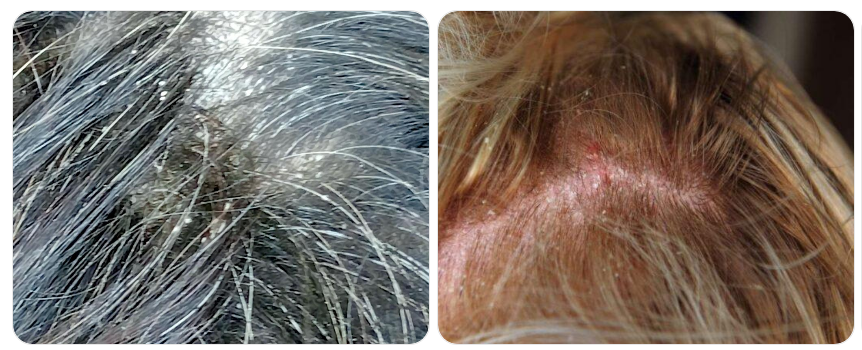
Dandruff is a common, chronic scalp condition that causes flaking, itching, and sometimes mild redness, and is considered a mild form of seborrheic dermatitis. It is not due to poor hygiene—rather, it occurs when Malassezia yeast feeds on scalp oils, producing irritants that disrupt the skin barrier and increase flaking. Oily scalp, barrier dysfunction, faster skin turnover, stress, weather changes, and hormonal or immune factors can all worsen symptoms.
Treatment focuses on reducing yeast, calming irritation, and restoring the scalp barrier. Antifungal shampoos (ketoconazole, selenium sulfide, zinc pyrithione, ciclopirox) are first-line, while anti-inflammatory treatments can help with itching and redness. Keratolytics like salicylic acid help remove flakes. A simple routine is using a medicated shampoo 2–3 times weekly, leaving it on for 5–10 minutes, and rotating ingredients if needed. With consistent care and gentle, pH-balanced products, dandruff is very manageable long term.
TINEA VERSICOLOR (PITYRIASIS VESICOLOR)
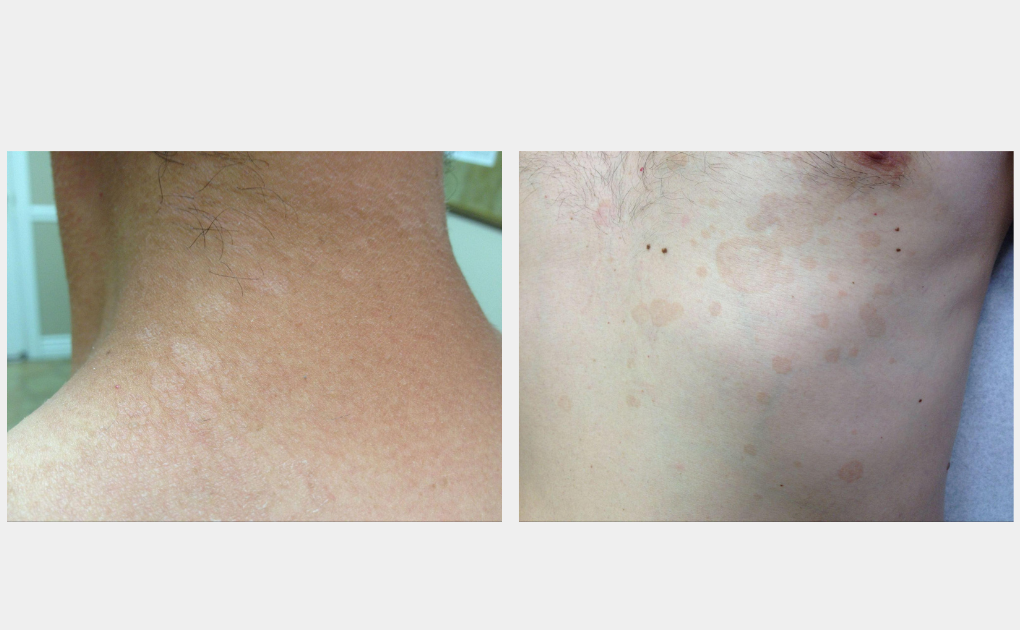
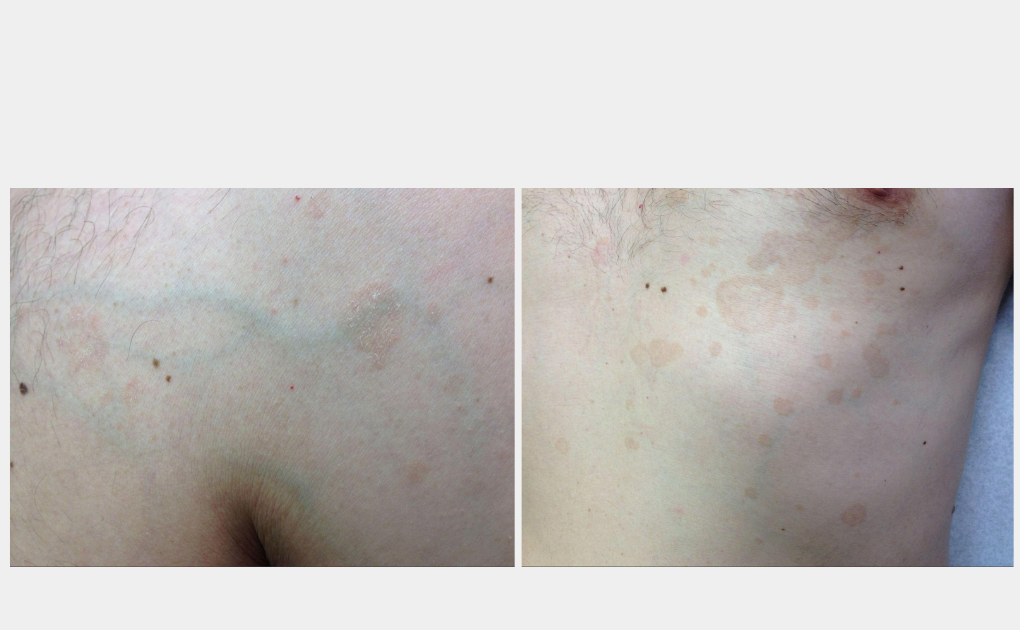
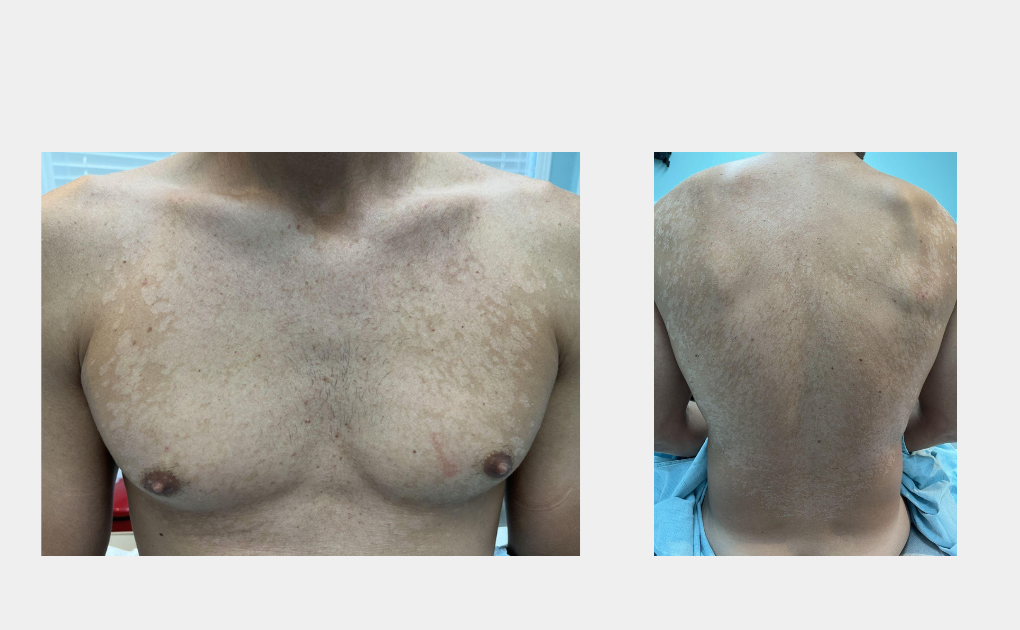
Tinea versicolor is a common, chronic skin condition caused by an overgrowth of Malassezia yeast, which normally lives on the skin. Unlike seborrheic dermatitis or dandruff, it has minimal visible inflammation and appears as lighter or darker patches on the chest, back, shoulders, neck, and sometimes the face. It is not contagious and tends to flare in warm, humid conditions, especially in adolescents and young adults. The yeast thrives in oily, sweaty environments, and its byproducts can disrupt the skin barrier and affect pigment, leading to noticeable color changes.
The condition develops due to a combination of yeast overgrowth, excess oil, barrier dysfunction, and oxidative stress, which can damage pigment-producing cells and alter skin color. Factors like heat, sweating, tight clothing, genetics, and immune changes can increase risk.
Treatment focuses on reducing yeast and restoring skin balance, using antifungal topicals (such as ketoconazole, selenium sulfide, or ciclopirox), along with anti-inflammatory, antioxidant, and barrier-supporting skincare. Keeping the skin slightly acidic, cool, and dry also helps prevent recurrence.
SEBOPSORIASIS
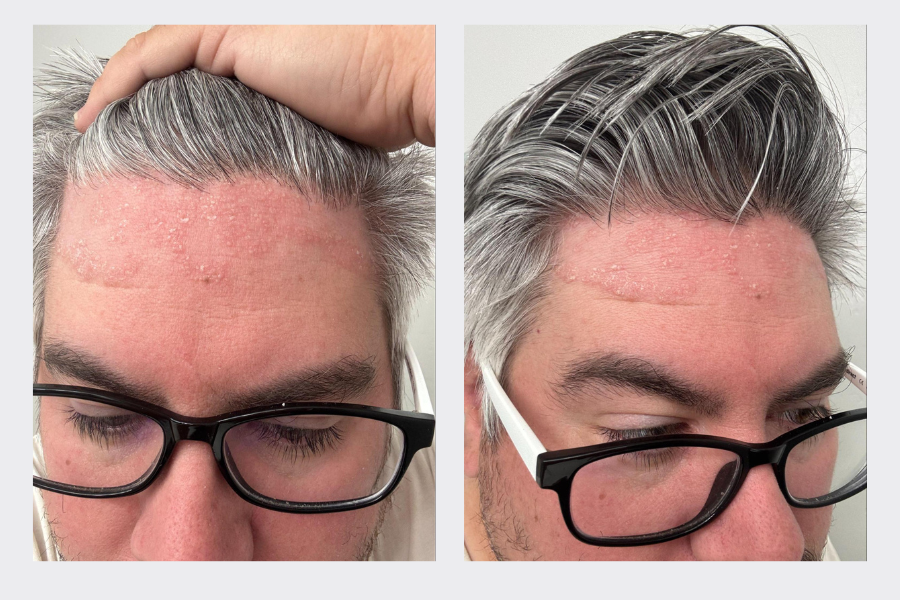
Sebopsoriasis is a skin condition with features of both psoriasis and seborrheic dermatitis, often affecting oil-rich areas like the scalp, face, chest, and skin folds. It appears as red or purple patches with greasy, yellowish scales (less silvery than classic psoriasis) and may cause itching, burning, flaking, and sometimes hair loss. It develops from a mix of immune-driven inflammation (psoriasis) and Malassezia yeast activity with excess oil (seborrheic dermatitis), and can flare with stress, hormonal changes, cold weather, and fungal overgrowth.
Diagnosis is usually based on clinical appearance and location, with biopsy rarely needed. Treatment focuses on reducing yeast and inflammation, using antifungals (ketoconazole, ciclopirox), topical steroids for short-term control, and medicated shampoos like coal tar. In more severe cases, phototherapy may be used. Long-term management includes gentle skincare, stress control, and avoiding triggers.
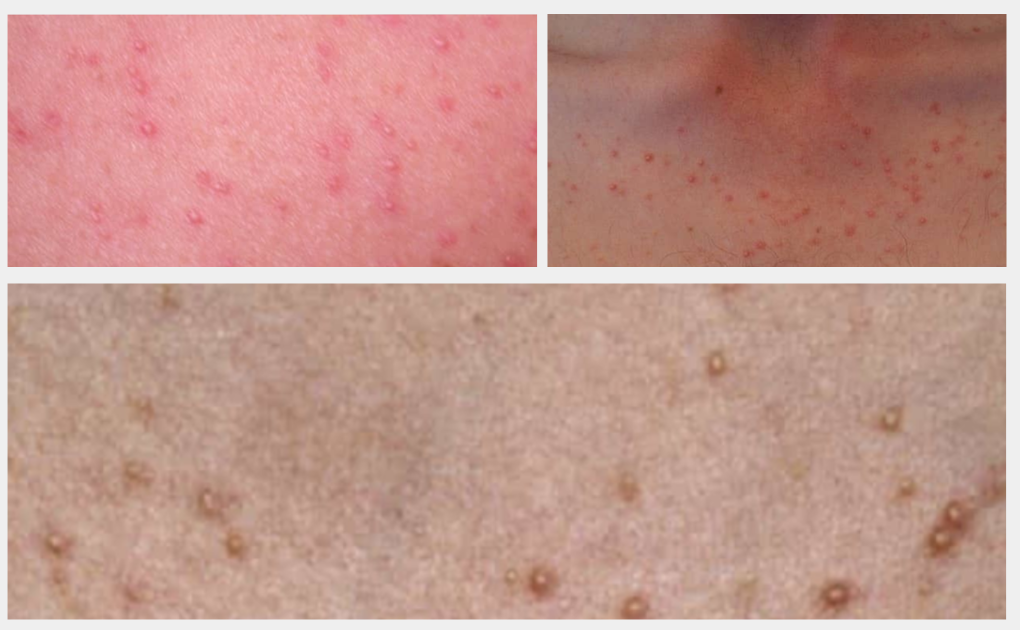
Pityrosporum folliculitis, also called Malassezia folliculitis or fungal acne, is a common condition caused by an overgrowth of yeast that normally lives on the skin. It leads to itchy, small, uniform bumps or pustules, most often on the chest, back, shoulders, and face, and tends to flare with heat, sweating, oily skin, and tight clothing. Unlike regular acne, it does not have blackheads or whiteheads and often doesn’t improve with typical acne treatments—antibiotics may even make it worse.
This happens when the yeast overgrows in warm, humid, oil-rich environments, sometimes triggered by sweating, heavy skincare products, or recent antibiotic use. Diagnosis is usually based on how it looks and where it appears, especially when breakouts are itchy and resistant to acne therapy.
Treatment focuses on reducing yeast, calming inflammation, and supporting the skin barrier. Antifungal treatments are first-line, while ingredients like niacinamide and 18β-glycyrrhetinic acid help soothe the skin, and ceramide moisturizers support repair. Keeping the skin slightly acidic, cool, and dry helps prevent flares. A simple routine includes using an antifungal wash a few times per week, moisturizing daily, avoiding heavy oils, and showering after sweating.
Schedule Your Dermatology Consultation
Take the next step toward healthier skin.
Aesthetics & Medical Lasers of Colorado – Clinical Dermatology
Locations
700 Tenacity Drive #102 Longmont, Colorado, 80504
2801 Remington Street Suite 2, Fort. Collins, Colorado, 80525
Contact
720-818-0533
Office Hours
Monday-Friday 8:00 AM to 6:00 PM Saturday 10 AM to 2 PM Sunday: By Appoinment only

Aesthetics & Medical Lasers Dermatology
Get a Dermatology consultation and customized skin care solutions
Services
Work Hours
- Monday-Friday 8:00 AM to 6:00 PM Saturday 10 AM to 2 PM Sunday: By Appoinment only
- 720-818-0533
- 700 Tenacity Drive #102 Longmont, Colorado, 80504
- 2801 Remington Street Suite 2, Fort. Collins, Colorado, 80525
- Copyrigt © 2026 Aesthetics & Medical Lasers Dermatology
- Terms of Use
- Privacy Policy