Eczema (Atopic Dermatitis & Related Conditions)
What Is Eczema?
Eczema (Atopic Dermatitis & Related Conditions)
Eczema is a chronic inflammatory skin condition that causes itchy, red, dry, and irritated skin. It affects more than 31 million people in the United States, making it one of the most common conditions treated in dermatology.
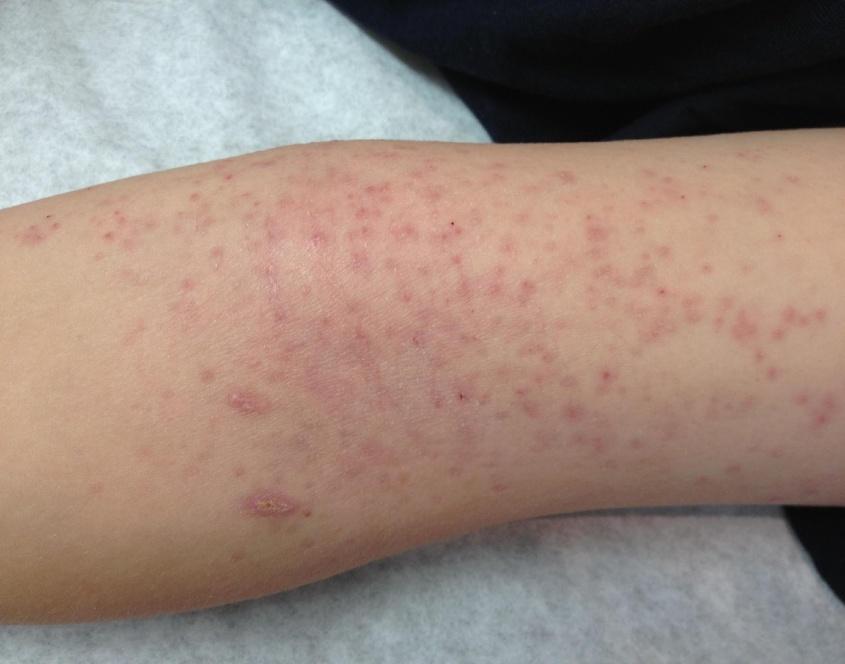
Eczema can begin in infancy, childhood, or adulthood and may range from mild and occasional to chronic and severe. It commonly appears on the face, hands, arms, elbows, and behind the knees. Symptoms often flare and improve in cycles.
In young children, eczema frequently presents as extremely dry, itchy skin that may become irritated or infected from scratching. In adults, it may first appear in the 20s or later in life — particularly after age 50 — and often follows a pattern of flare-ups and remissions.
Types of Eczema
There are four main types of rosacea, plus an additional form that may overlap with others:
Why Eczema Happens
Eczema develops when the skin barrier becomes weakened and the immune system becomes overactive.
A damaged barrier allows moisture to escape while irritants, allergens, and bacteria penetrate the skin — triggering inflammation.
At its core, eczema involves:
- A weakened skin barrier
- Increased moisture loss
- Heightened immune sensitivity
- Chronic inflammation
Genetics often play a role. Children have a 30–50% risk if one parent has eczema, asthma, or hay fever, and a 50–80% risk if both parents are affected. However, environment, skincare habits, and triggers also play a major role — and not everyone with a family history develops eczema.
How Eczema Develops
Eczema follows a repeating inflammatory cycle:
- Weak skin barrier → moisture loss
- Irritants and allergens enter the skin
- Immune system overreacts
- Redness, itching, and irritation occur
- Scratching further damages the barrier
Breaking this cycle is the key to long-term control.
Types of Eczema
There are several forms of eczema, each with distinct triggers and patterns:
- Atopic dermatitis – the most common type, often linked to allergies and asthma
- Contact dermatitis – triggered by irritants or allergens
- Dyshidrotic eczema – small, itchy blisters on the hands and feet
- Nummular eczema – coin-shaped patches of irritated skin
- Seborrheic dermatitis – affects oily areas such as the scalp and face
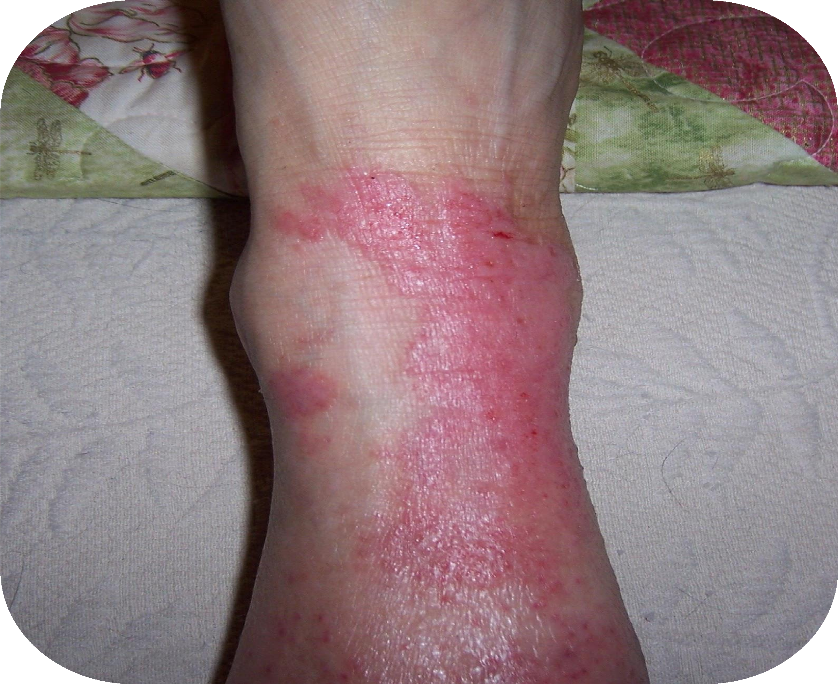
- Stasis dermatitis – related to poor circulation, typically on the lower legs
Common Eczema Triggers
Flares may be triggered by:
- Dry air or cold weather
- Heat, sweating, or humidity
- Harsh soaps, fragrances, or detergents
- Wool or synthetic fabrics
- Environmental allergens (dust mites, pollen, pet dander)
- Stress or poor sleep
- Skin irritation or infection
- Hormonal changes
- Food sensitivities (more common in children)
Identifying and avoiding personal triggers is an essential part of eczema management.
Eczema
Eczema Care at Aesthetics & Medical Lasers of Colorado – Dermatology
We provide personalized, evidence-based eczema care focused on
Treatment plans are tailored to age, severity, triggers, and lifestyle.
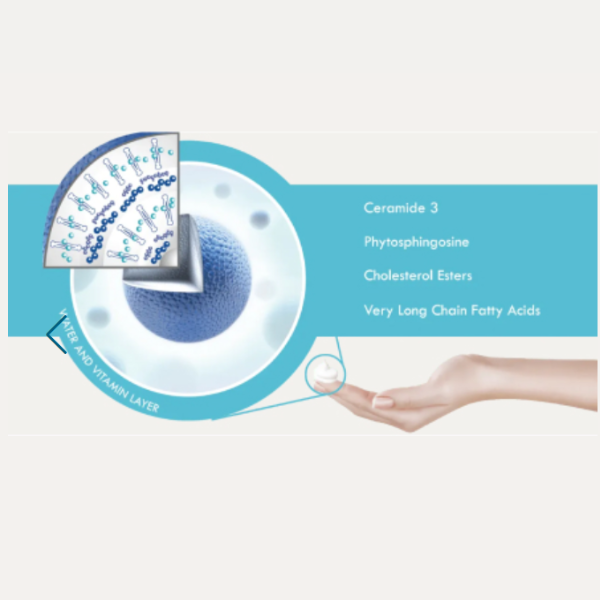
Repairing the skin barrier
Calming inflammation
Reducing flare frequency
Preventing infection
Improving long-term skin resilience
Beauty That Speaks Visually
At Aesthetics & Medical Lasers of Colorado – Dermatology, we focus on restoring barrier function, reducing inflammation, and developing personalized treatment plans that provide long-term control — not just temporary relief. You should see a doctor if your eczema does not improve with over-the-counter treatments, is severe or painful, or disrupts your sleep. Seek care if it continues to flare despite good skincare, affects sensitive areas such as the face, hands, eyelids, or genitals, or becomes cracked, oozing, or infected. Struggling with eczema, we are here to help.
Take the first step toward clearer, healthier skin with a modern, biology-driven acne treatment strategy!
Head Office
Longmont & Fort Collins, Colorado
Contact
720-818-0533
Office Hours
Monday-Friday 8:00 am to 5:00 pm
Eczema Care at Aesthetics and Medical Lasers of Colorado – Dermatology
We provide personalized, evidence-based eczema care focused on repairing the skin barrier, calming inflammation, reducing flare-ups, and improving long-term skin health. Treatment plans are tailored to age, severity, triggers, and lifestyle.
Treatment Options
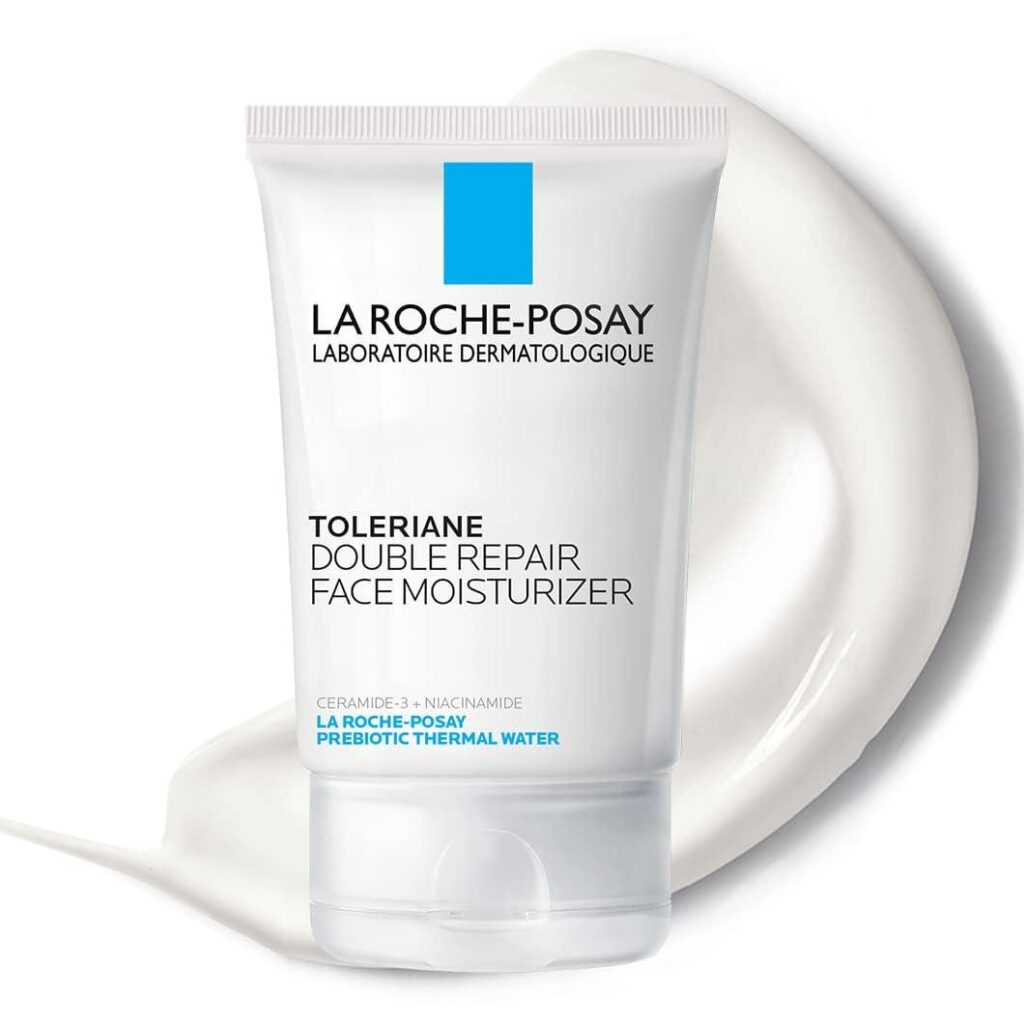
- Topical therapies: prescription anti-inflammatory creams, non-steroidal options, and barrier-repair moisturizers
- Advanced medical therapies: injectable biologics or oral medications for moderate to severe eczema
- Light therapy: narrowband UVB phototherapy for chronic or treatment-resistant eczema
- Skincare & trigger management: gentle routines, trigger identification, and lifestyle guidance
Our goal is lasting control—not just temporary relief.
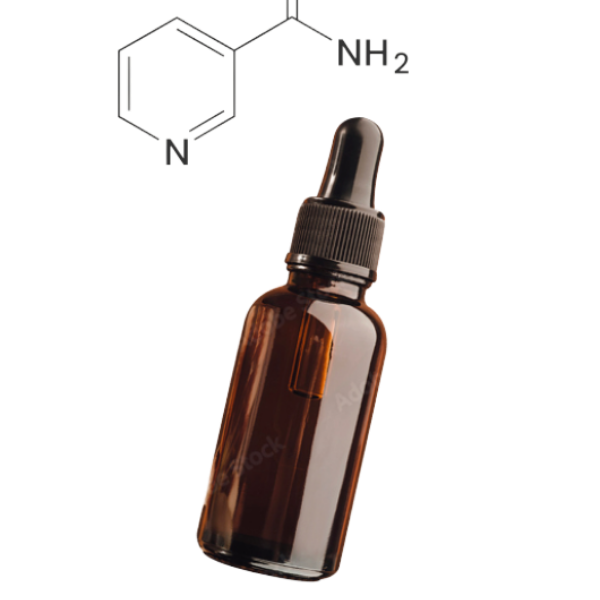
Niacinamide
with countless research studioes showing efferctiveness in eczema, acne and rosacea, niacinamide also packs an amazing anti-inflammatory punch. Niacinamide also has DNA- reparative functionalities that are perfect for damaged, inflamed and infected skin. The TrueLipds combination of niacinamide and 18-B-glycyrrhetinic acid is incredibly sooting to your skin
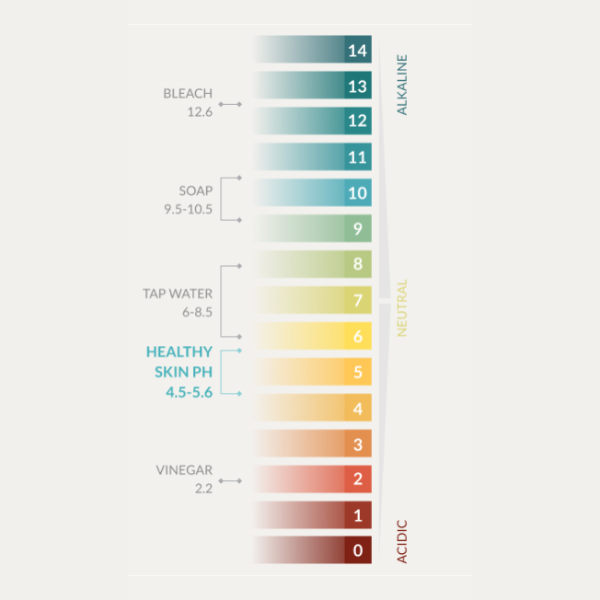
PH balance
We discovered that healthy skin has a pH that is moderately acidic- between 4.6 - 5.6. This moderately acidic pH naturally protects your skin against harmful bacteria and viruses and supports a healthy skin barrier that keeps moisture in and other harmful elements out.
However, when you wash your skin with traditional soaps, you scrub away the skin's natural acidity and make it alkaline. Even using pure water washes away your skin's natural acids. Most lotions and moisture replacement therapies are very alkaline too, which makes the problem worse. Our research showed that helping the skin regain its natural acidic pH was critical to treating the worst skin condition.
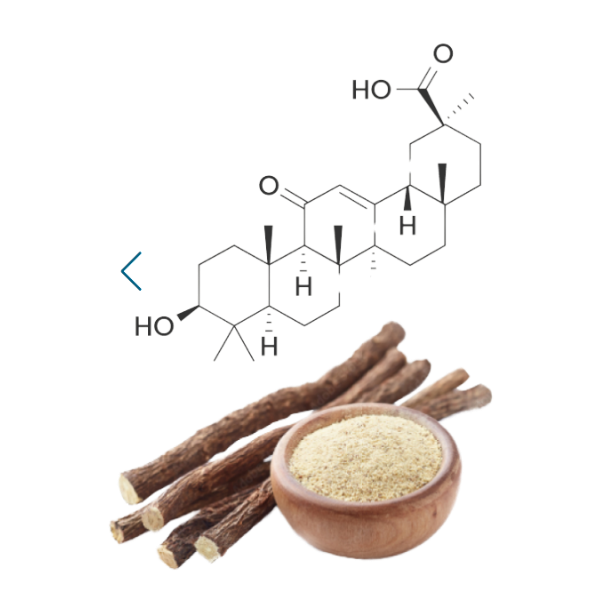
Anti-inflammatory ingredients that help restore the skin barrier
Certain anti-inflammatory agents play a significant role in restoring a healthy skin barrier. The ingredient that is most helpful is called 18 B-glycyrhetinic acid. Despite its scientific sounding name, this compound is derived from licorice and has significant anti-inflammatory, anti-bacterial, and DNA reparative qualities.
Scientists who have worked with 18 B-glycyrrhetinic acid have noted that it fights staphylococcal and MRSA infections as well as viral infections like RSV and Candida. All three of these healthy skin secrets play an important role in relieving painful, dry, itchy red skin conditions. When you combine them together in the right concentrations, what you get is a powerful skin care product that helps support and restore healthy skin.